





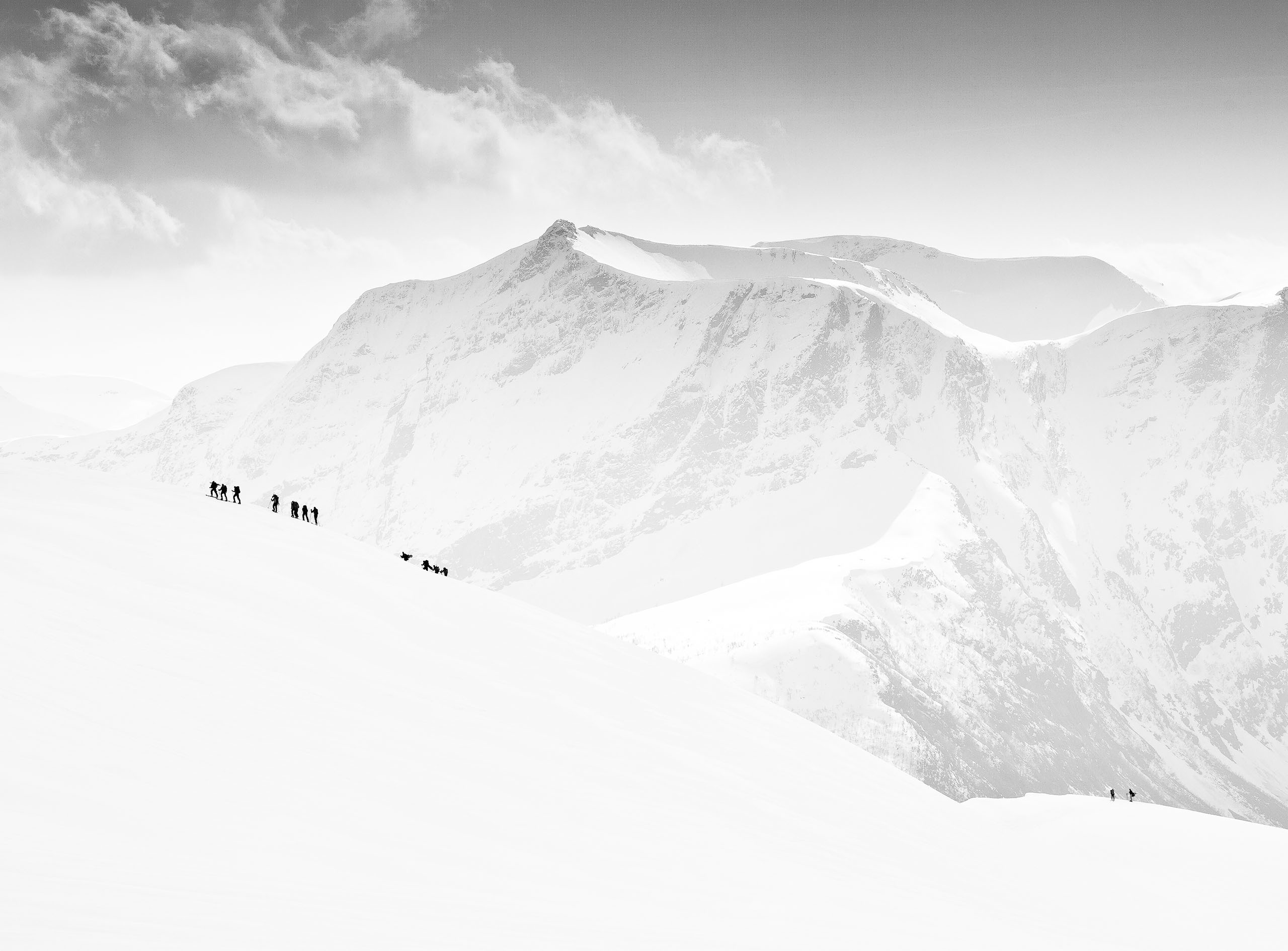
|
|
|
|
by Editor Miro Susta
Edited and published by Yvette Depaepe, the 23rd of January 2026
This article focuses on the 25th Winter Olympics, which are scheduled to take place from 6 to 22 February 2026 in Milan and Cortina d'Ampezzo.
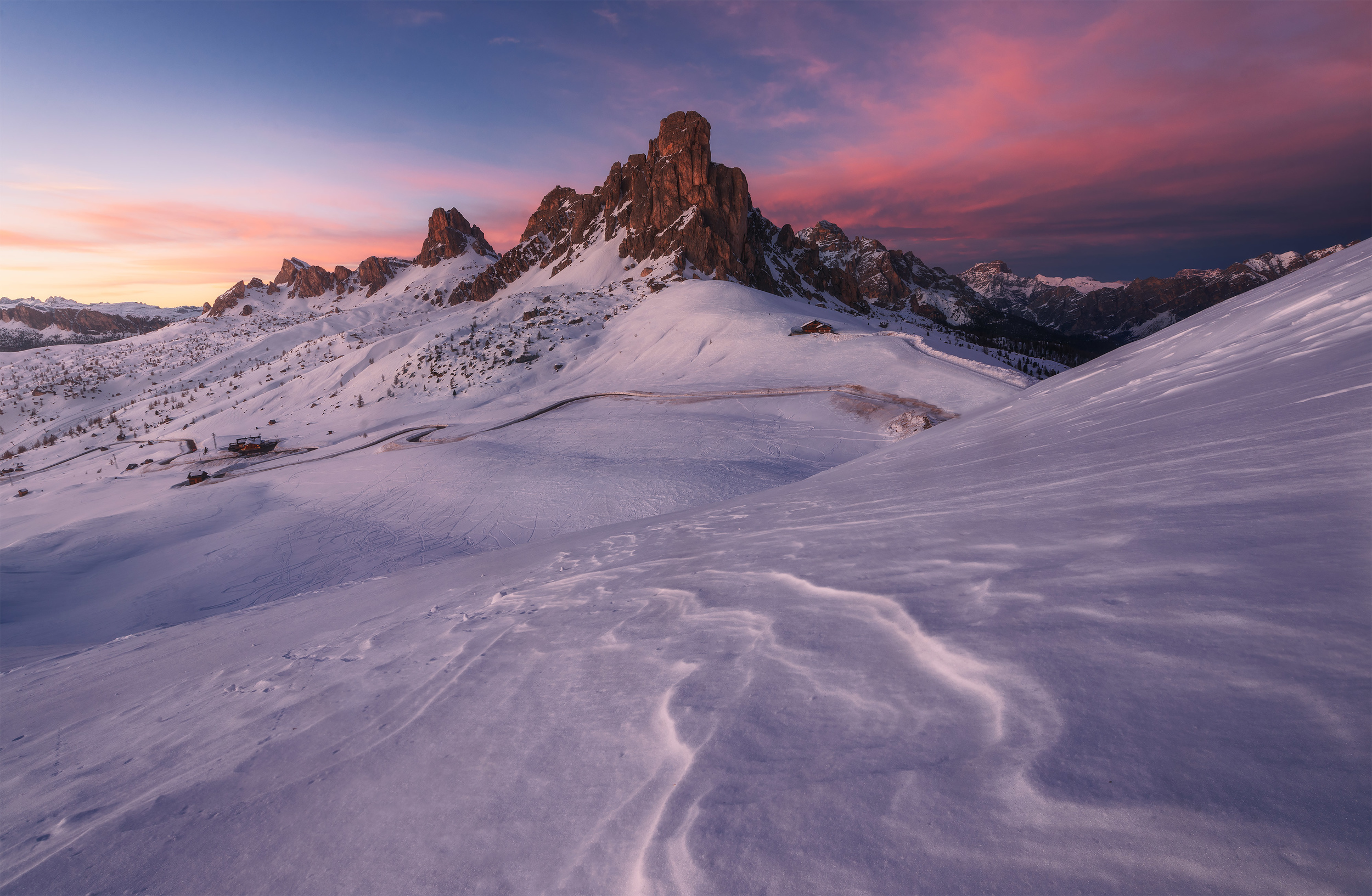
‘The White Lady’ (Cortina d’Ampezzo region) by Leonardo Papèra
Welcome to the final episode of our five-part series on Olympic and non-Olympic sports.
You can find the previous articles in 1x Magazine at the following links:
Summer Olympic Sports-Part 1
Summer Olympic Sports-Part 2
Non-Olympic Sports Part 1 - Summer Outdoor Sports
Non-Olympic Sports Part 2 - Winter and Indoor Sports
Historically, the Winter Olympics were held in a single location worldwide. However, the 25th Winter Games are taking a different approach. For the first time, the role of host is being shared by two locations: Milan and the Cortina d'Ampezzo region in Italy.
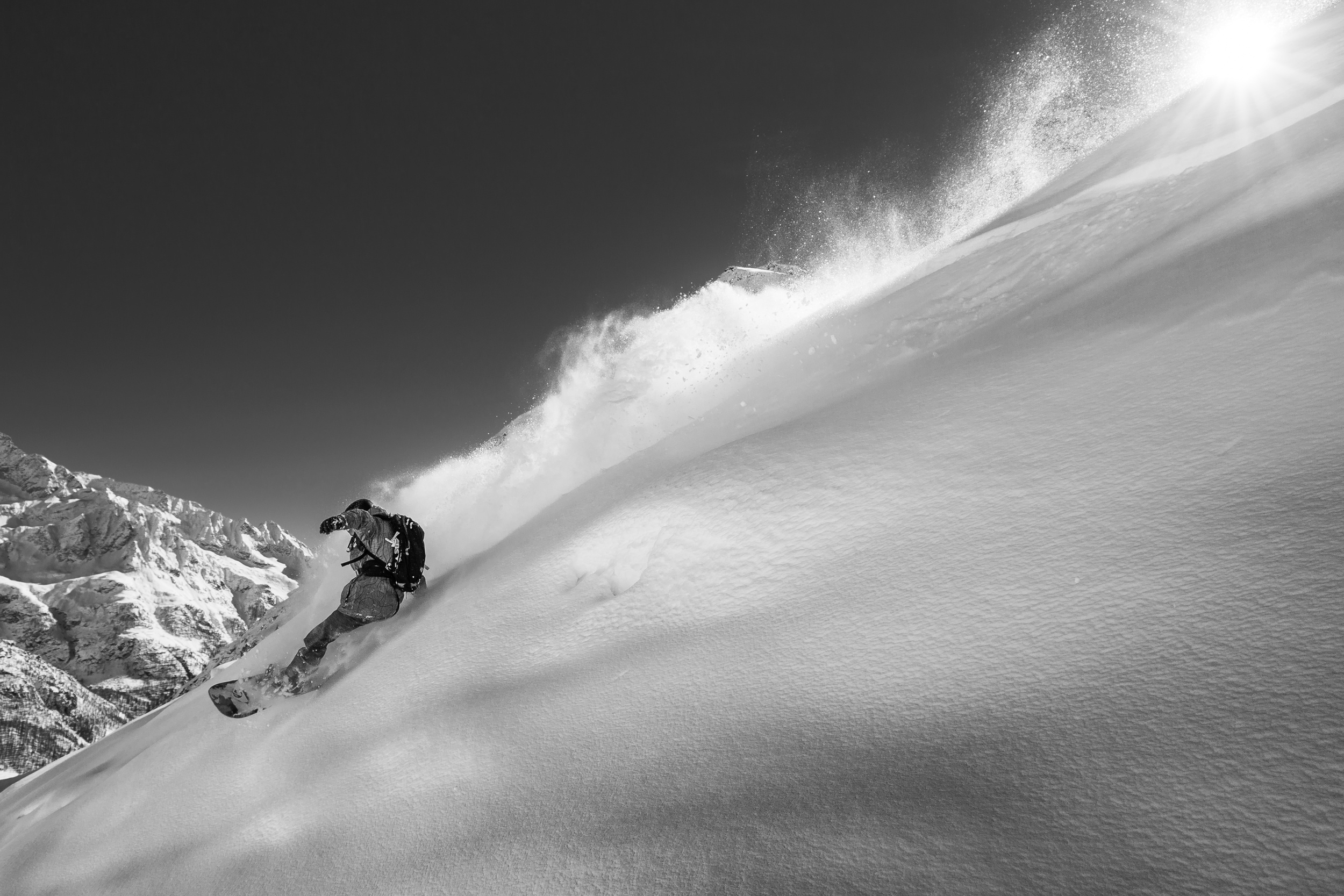
‘Ridge’ by Jakob Sanne
This split is no coincidence.
The International Olympic Committee (IOC) plans to use multiple regional venues for future Games, beginning with the 2030 Winter Olympics in the French Alps and the 2034 Olympics in Salt Lake City, Utah, USA, in order to promote sustainability, reduce costs and utilise existing facilities.
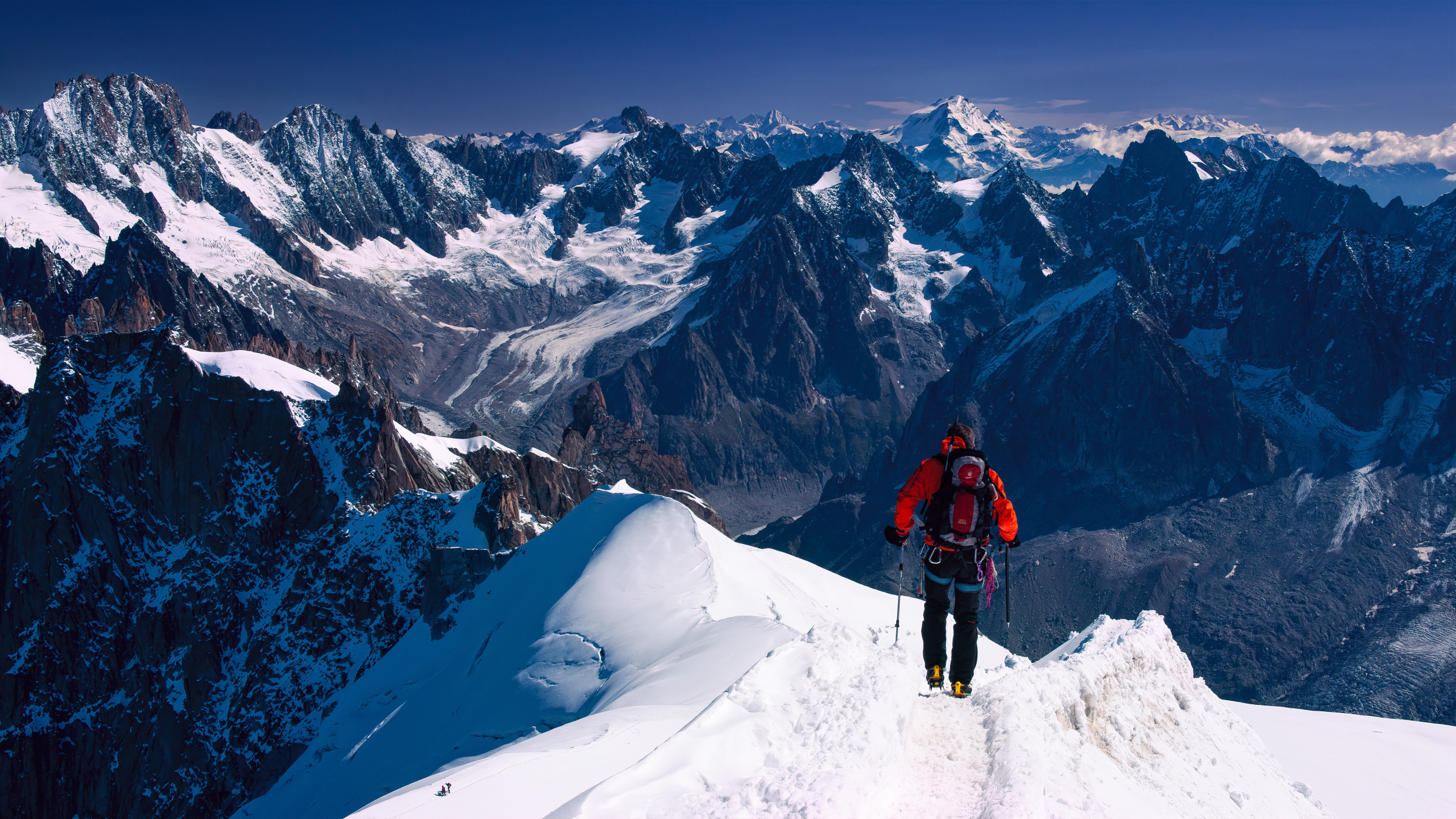
‘climbing down’ by mihai ian nedelcu
The first Winter Olympics took place in the French town of Chamonix in 1924. Until 1992, the Winter and Summer Olympics took place in the same year. Since 1994, however, the Winter Olympics have been held two years after the Summer Olympics.
List of sports included in 2026 Winter Olympic Games
Biathlon, bobsledding, skeleton, curling, ice hockey, luge, figure skating, speed skating, short track speed skating, downhill skiing, cross-country skiing, acrobatic skiing, Nordic combined, ski jumping, snowboarding, ski mountaineering.

‘Hockey game’ by Viktor Cherkasov
BIATHLON
Biathlon is one of the best-known and most popular winter sports in the world. The term “biathlon” comes from Greek and means “battle.” The “two” does not refer to the athletes, but to the two disciplines: cross-country skiing and rifle shooting.

‘Decapitation’ by Lex Augusteijn
Biathlon combines two disciplines: endurance cross-country skiing and precision shooting. This unique combination requires athletes to possess a range of specific skills.
However, activities related to biathlon have been practiced in other forms for thousands of years. For example, Norwegian cave paintings show that people used skis to track wild animals in the snow over 5,000 years ago.
A 1050 AD illustration shows a man hunting with a bow and arrow on skis, which could be considered a precursor to the modern biathlon.
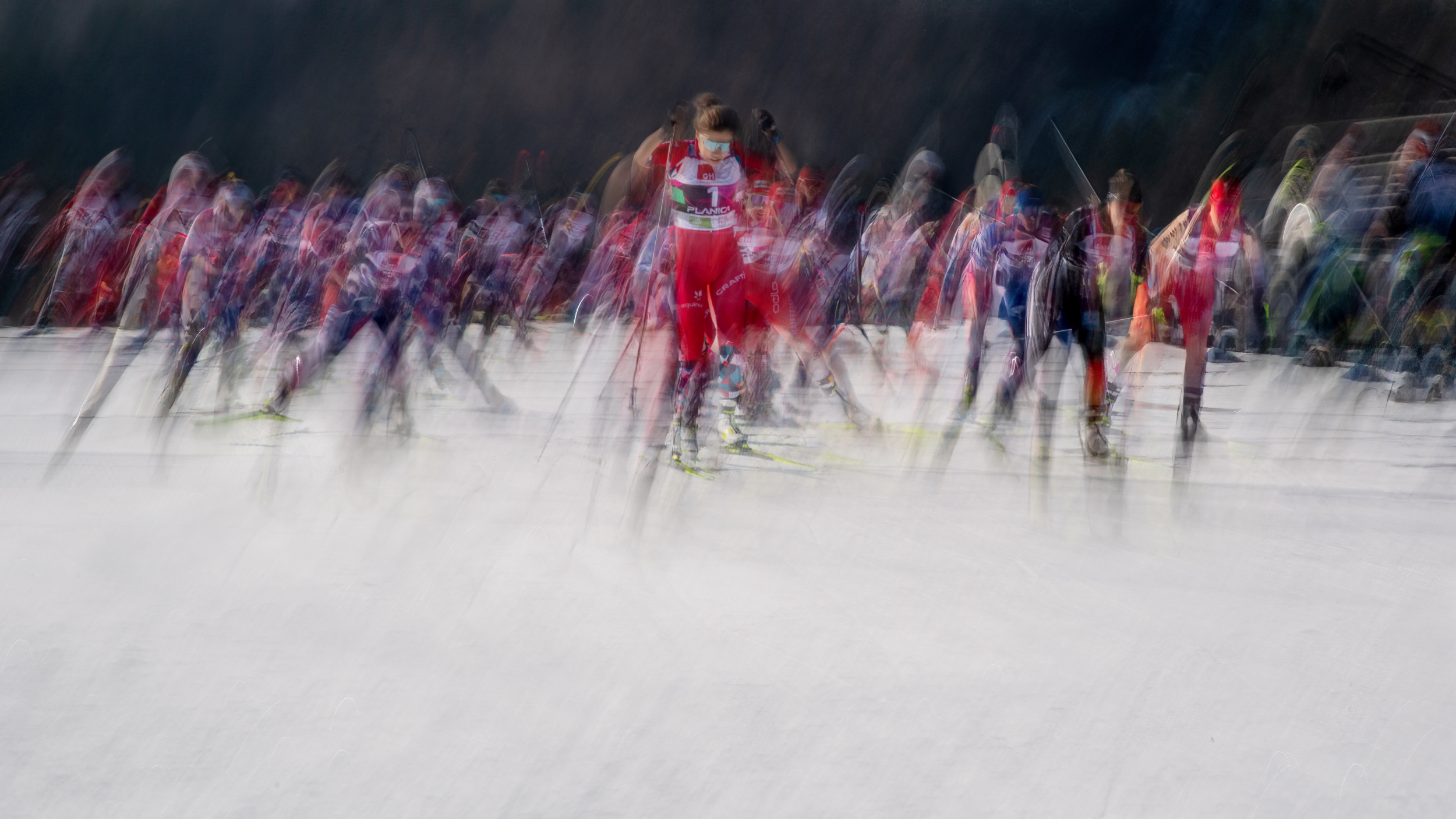
‘Race’ by Milan Malovrh
Today's biathlon has its origins in military winter activities. Over the centuries, the Norwegian and Russian armies introduced the sport to other snowy countries.
BOBSLEDDING
Bobsleigh is a winter sport in which teams of two or four competitors race down a steep, winding ice track in a gravity-powered sled. The sport originated in England in the 19th century.
The first competition took place in 1898 at the Cresta Run in St. Moritz, Switzerland, and was organised by British expatriates living there. The sport got its name when participants adopted the technique of rocking back and forth to increase the sled's speed, which can now reach up to 160 km/h or more.
Bobsledding became an internationally recognised sport in 1923 with the establishment of the International Bobsleigh and Luge Federation, and was included in the first Winter Olympic Games in Chamonix, France the following year.
Since 1931, the two- and four-man world championships have been held annually, except during World War II.
Men and women have participated in Olympic bobsleigh races for many years, with separate competitions for each gender (two-man and four-man bobsleigh for men, and two-man and monobob for women) to encourage participation from both sexes.
Unfortunately, there are no bobsleigh photos available in the 1x photo gallery.
SKELETON
Skeleton is a winter sport in which competitors ride headfirst and face down on a flat sledge. Competitions take place on ice tracks, similar to those used for bobsleigh, where the sleds can pick up speed through gravity.
Skeleton was first included in the Winter Olympics in 1928 in St. Moritz, Switzerland, and then again in 1948, also in St. Moritz. However, it was subsequently removed from the Winter Olympics.
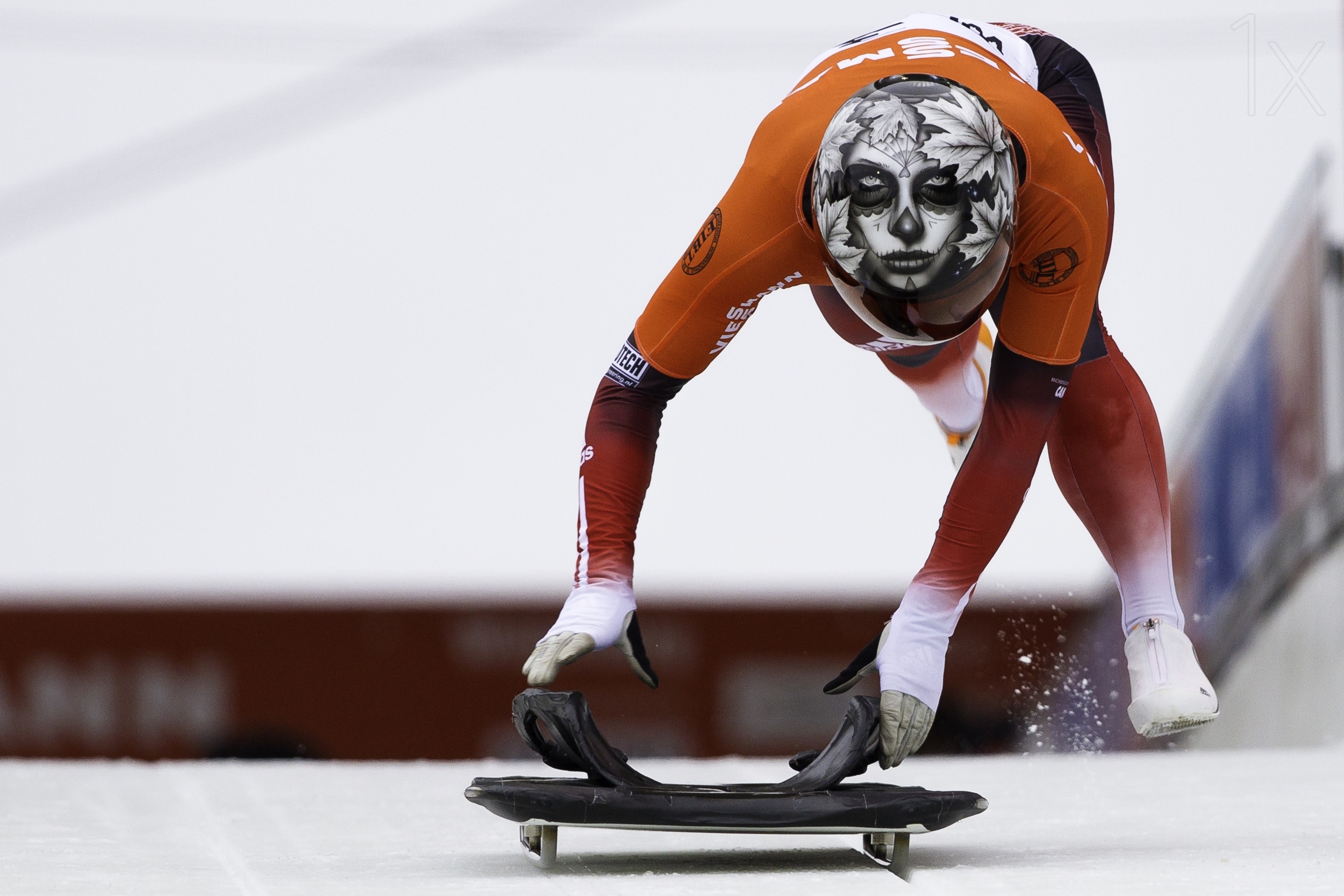
‘Skeleton face’ by Markus Hülsbusch
In October 1999, the International Olympic Committee (IOC) added this discipline to the programme of events for the 2002 Winter Olympics in Salt Lake City, with competitions for both men and women. It has been included in every subsequent Winter Olympics.
In 2022, the IOC added a third discipline — mixed teams — to the programme for the 2026 Winter Olympics.
CURLING
Curling is a winter sport in which competitors throw stones across a smooth ice rink towards a target. Two teams of four players compete against each other, with each player having two stones. The teams take turns to throw their stones. The aim is to get the stones closer to the centre of the target rings than the opponent's stones.
A team is awarded points according to the number of their stones in the rings that are closer to the centre than their opponent's best stone. Throwing all 16 stones constitutes one end. A match consists of eight or ten ends.
Bavarian curling and lawn bowling, which also focus on precision in hitting a target area, are curling's closest relatives.
Unfortunately, there are no curling photos available in the 1x photo gallery.
ICE HOCKEY
Ice hockey is currently the fastest team sport in the world. It all started on the frozen waters of Lake Long in Nova Scotia, in eastern Canada. Close to the lake stood Kings Edge School, the oldest private school in Canada, which belonged to the Queen of England.
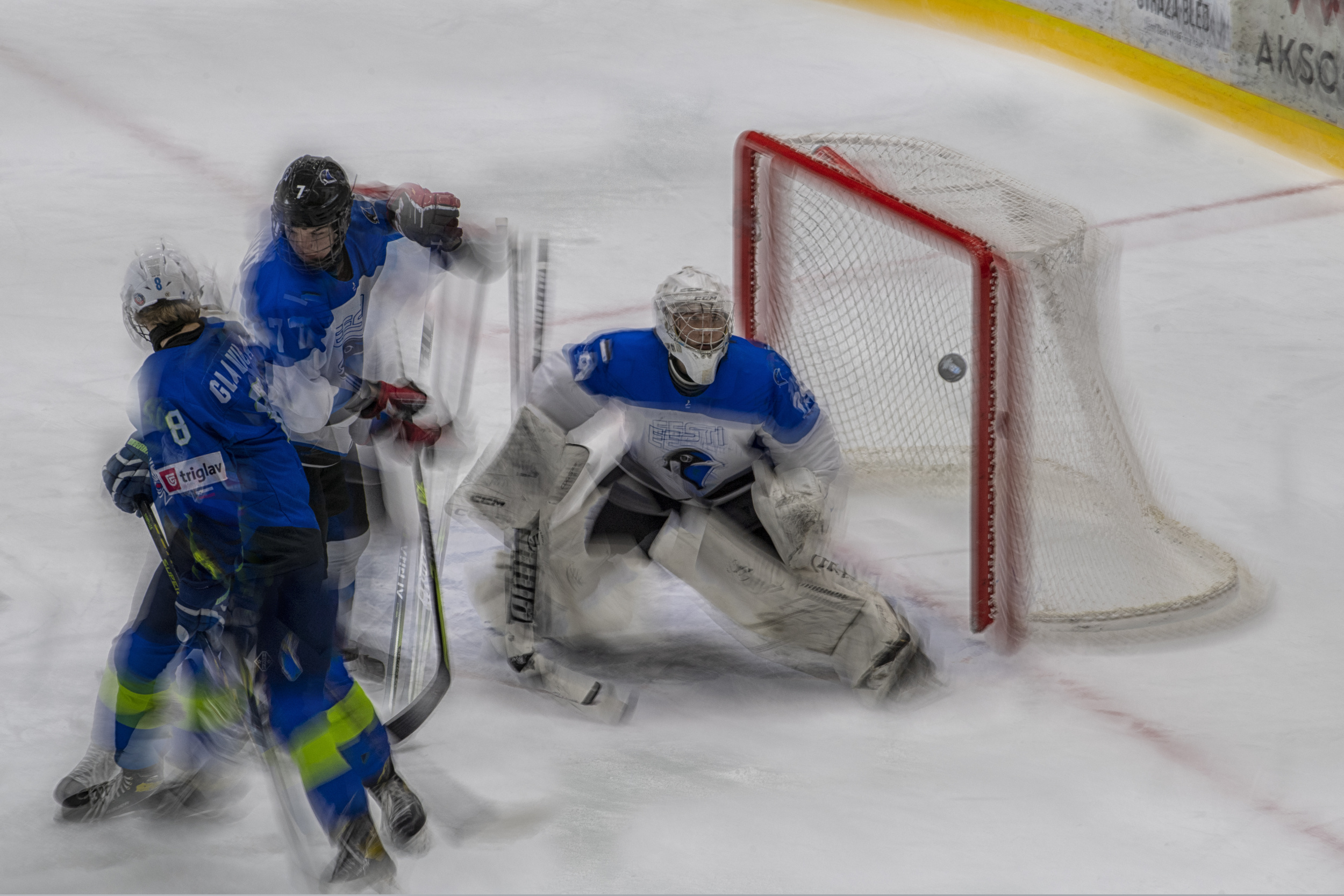
‘The Lynx are winning’ by Milan Malovrh
Kings Edge School was an all-boys school, and its pupils were the first to start playing this global sport.
Established in 1877 by students at McGill University, the McGill University Hockey Club was the first club of its kind. The Montreal Victorias Club was founded in 1881.
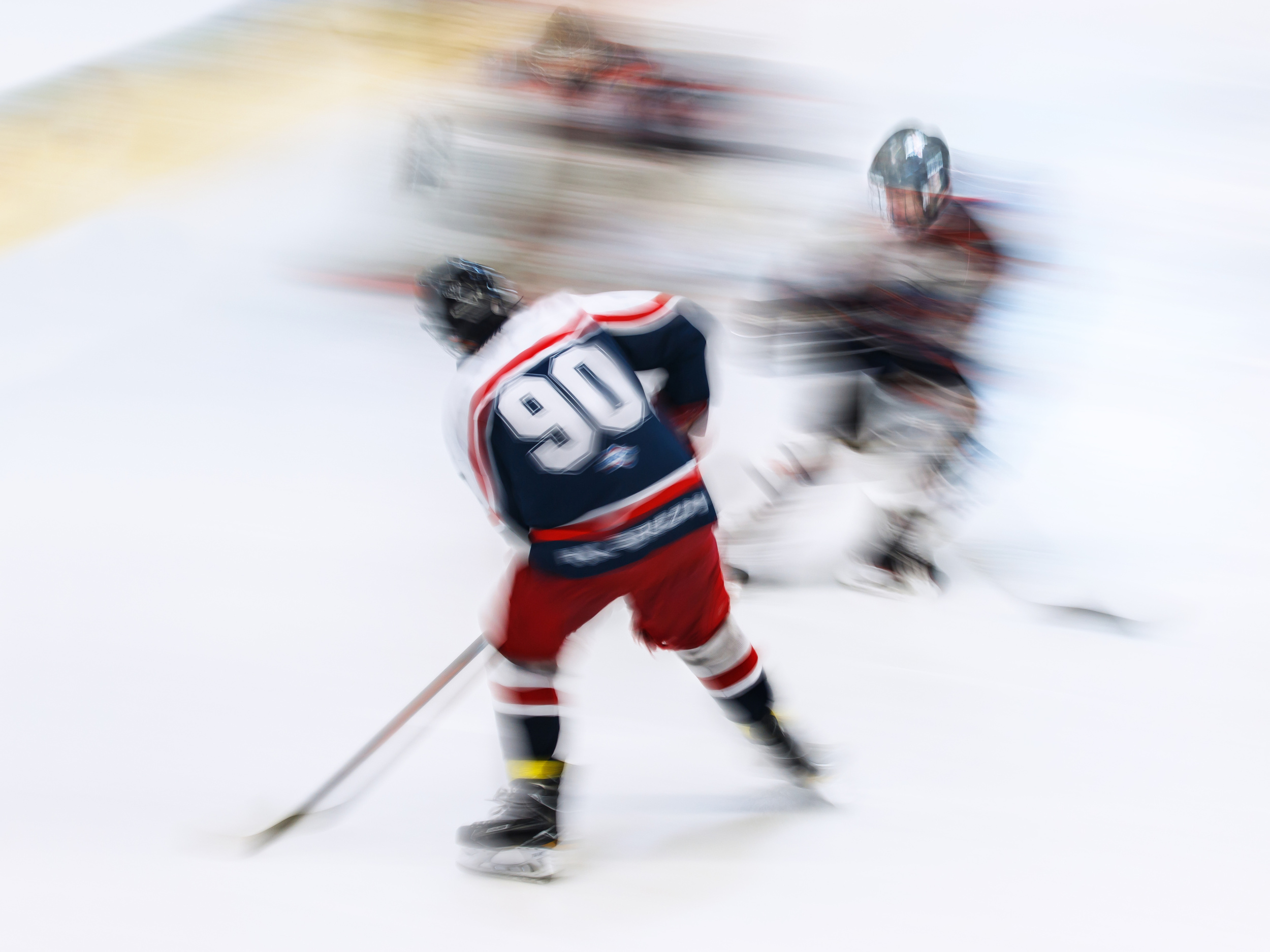
‘Hockey U18_2’ by Dusan Ignac
The game's immense popularity in 1883 led to the inaugural "World Championship" being hosted in Montreal during the Winter Carnival.
The Ligue Internationale sur Glace evolved into the International Ice Hockey Federation (IIHF) during the mid-20th century.
LUGE
Luge is an Olympic winter sport in which individuals or pairs race on sleds in an ice ring while lying on their backs with their feet facing forwards.
Position: The rider(s) lie on their backs, controlling their body weight and applying pressure with their calves to steer the sled.
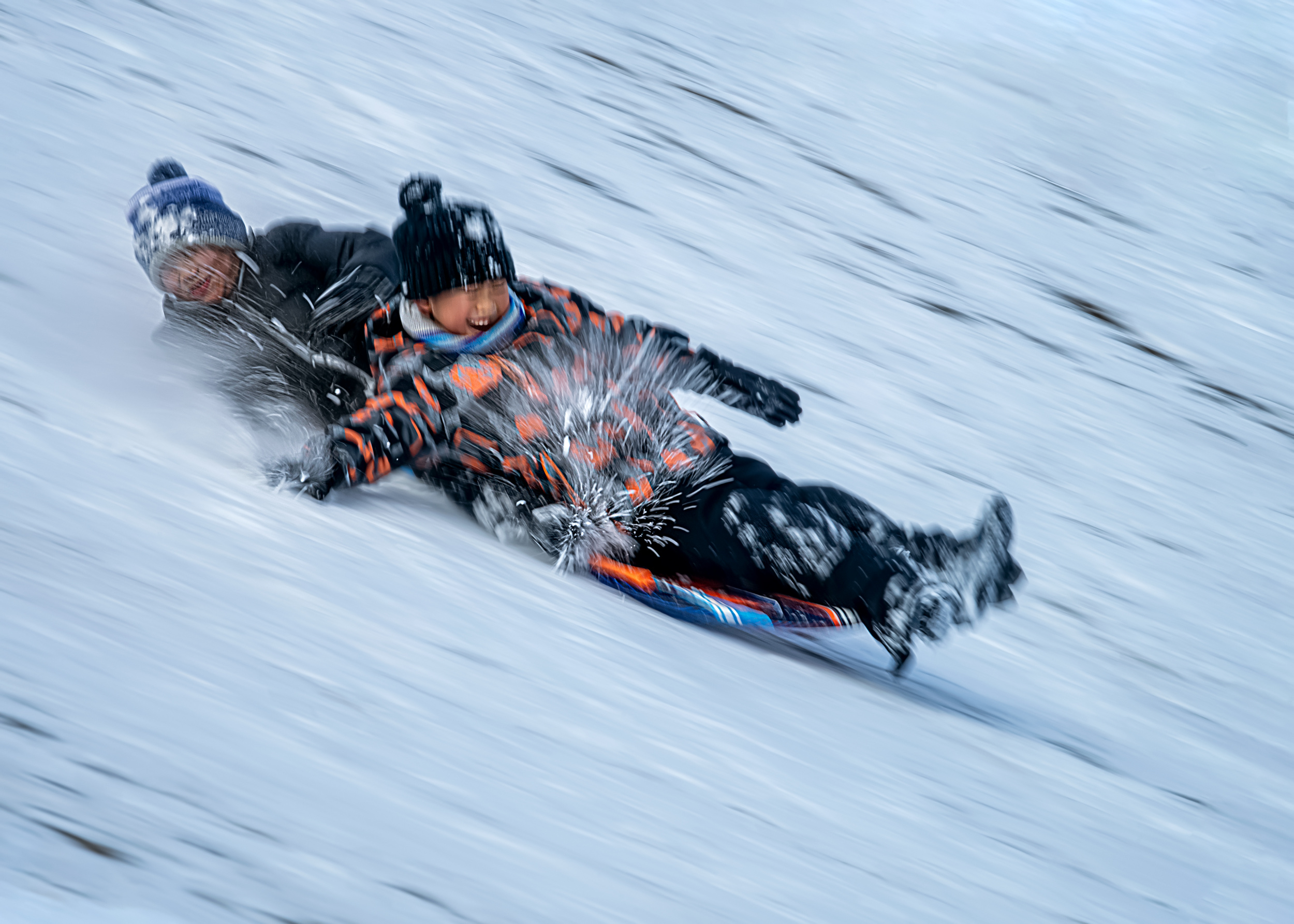
'Sliding Down' by Louie Luo
Ø Speed: Reaches speeds of over 130 km/h
Ø Start: Begins by accelerating using grips on the ice
Unlike in bobsleigh or skeleton, where you ride headfirst, in luge you ride on your back.
FIGURE SKATING
Figure skating is an ice-skating sport that focuses on artistic performance, including pirouettes, jumps and steps. There are four disciplines in which both men and women can compete.
Ø Men's singles
Ø Women's singles
Ø Sport pair skating
Ø Ice dancing.
Great Britain is the birthplace of figure skating. The first ever competition took place there in 1814.
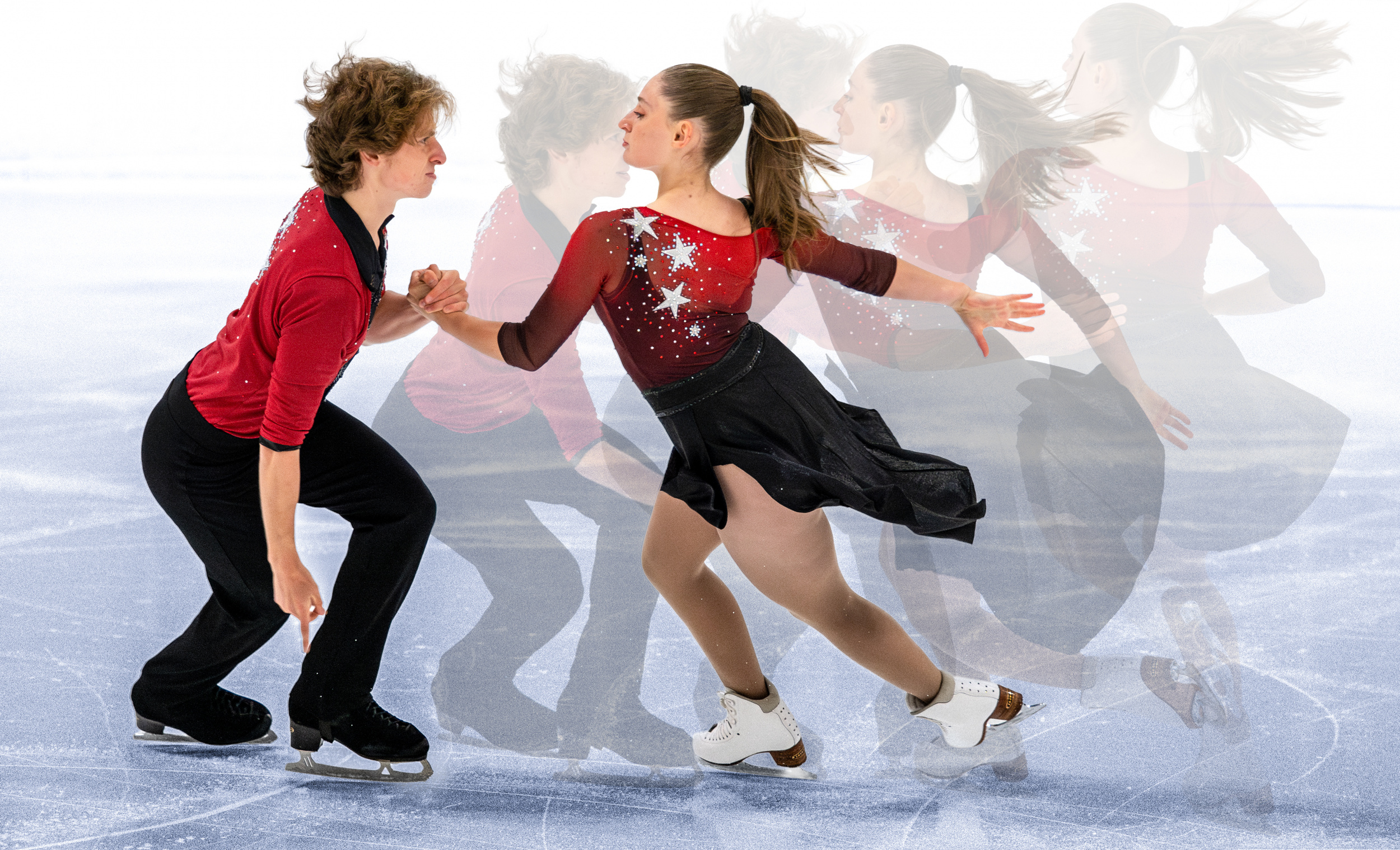
‘Ice Dance Elegance’ by Naoko Tanaka
Figure skating originated in England and then spread throughout Europe and America. In the USA, elements of music, dance and ballet were incorporated into the sport. The first Olympic figure skating competition took place in London in 1908, comprising the following four disciplines: women's and men's singles, and pairs skating, as well as a special figures competition.
The special figures competition was only held once and was later replaced by ice dancing. Ulrich Salchow, the inventor of the Salchow jumps and the first Olympic champion, is still well known today.
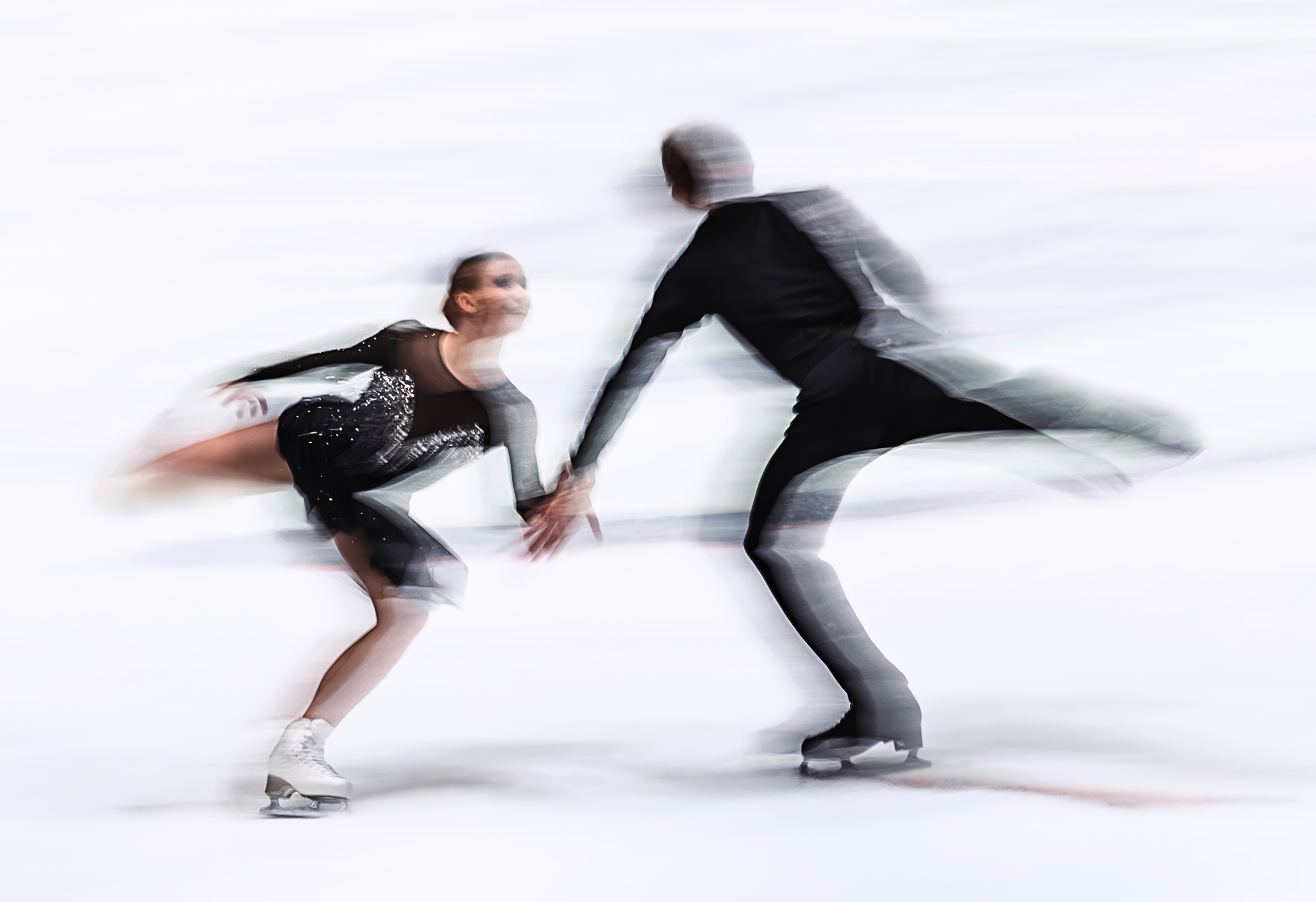
‘Figure skating’ by Dusan Ignac
SPEED SKATING AND SHORT TRACK SPEED SKATING
Speed skating and short track speed skating are winter individual Olympic sports in which time skating is competed. This form of speed skating takes place in closed halls on oval ice tracks. Racing skaters compete in various disciplines, sprints, but also in endurance, like athletics running disciplines. So, the variety of skaters is also great, according to the discipline they are training.
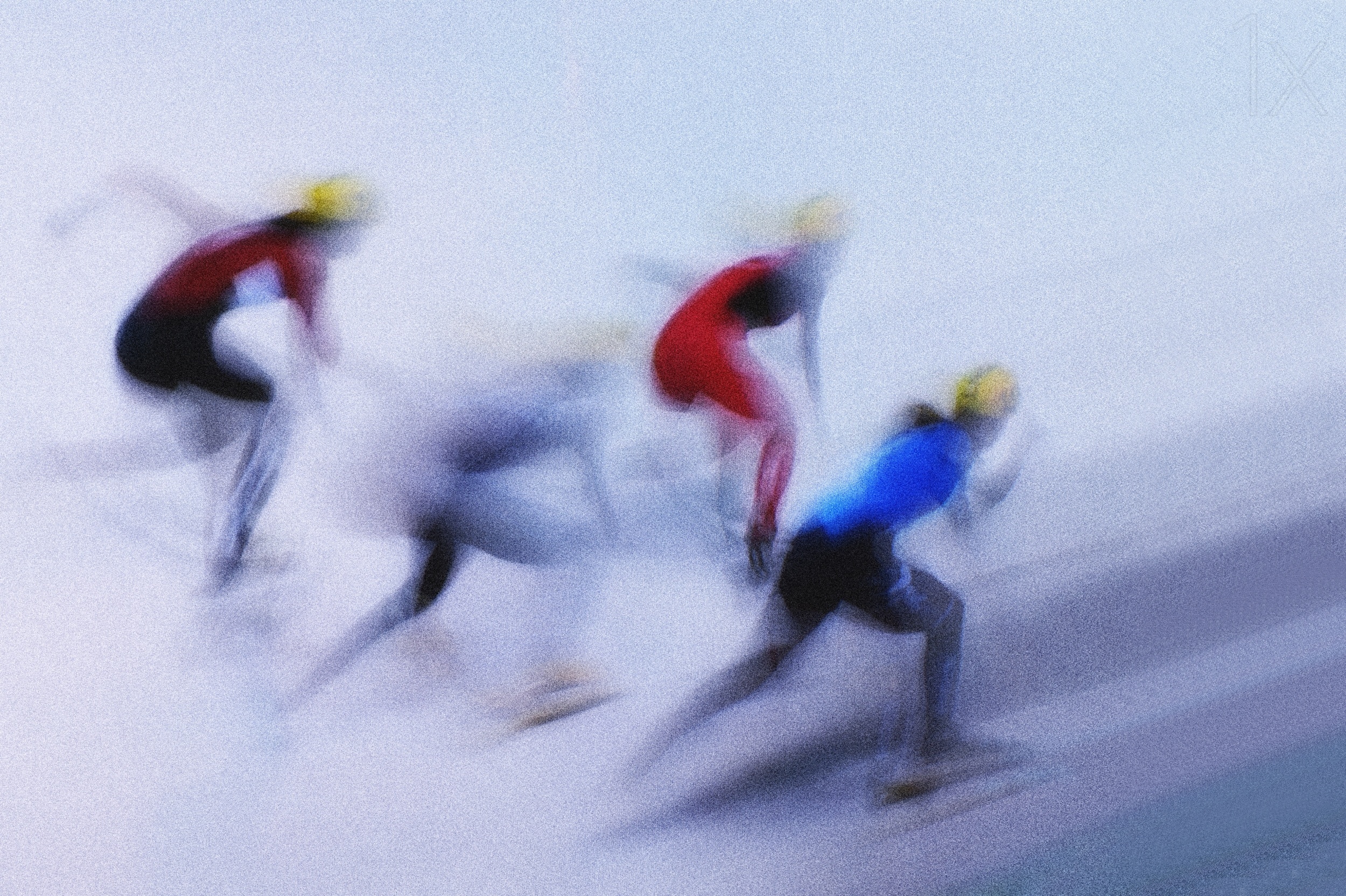
‘Speed Skating 1’ by Zoran Milutinovic
Speed skating is greatly influenced by skating technique and, above all, modern technology, which is why world records in this sport are often broken. Speed skaters can reach speeds of around 45 km/h in sprint disciplines.
Men's speed skating was first included in the Olympic Games in Chamonix in 1924, and women's speed skating first appeared in the US Squaw Valley Games in 1960. The first World Championship was held in 1889.
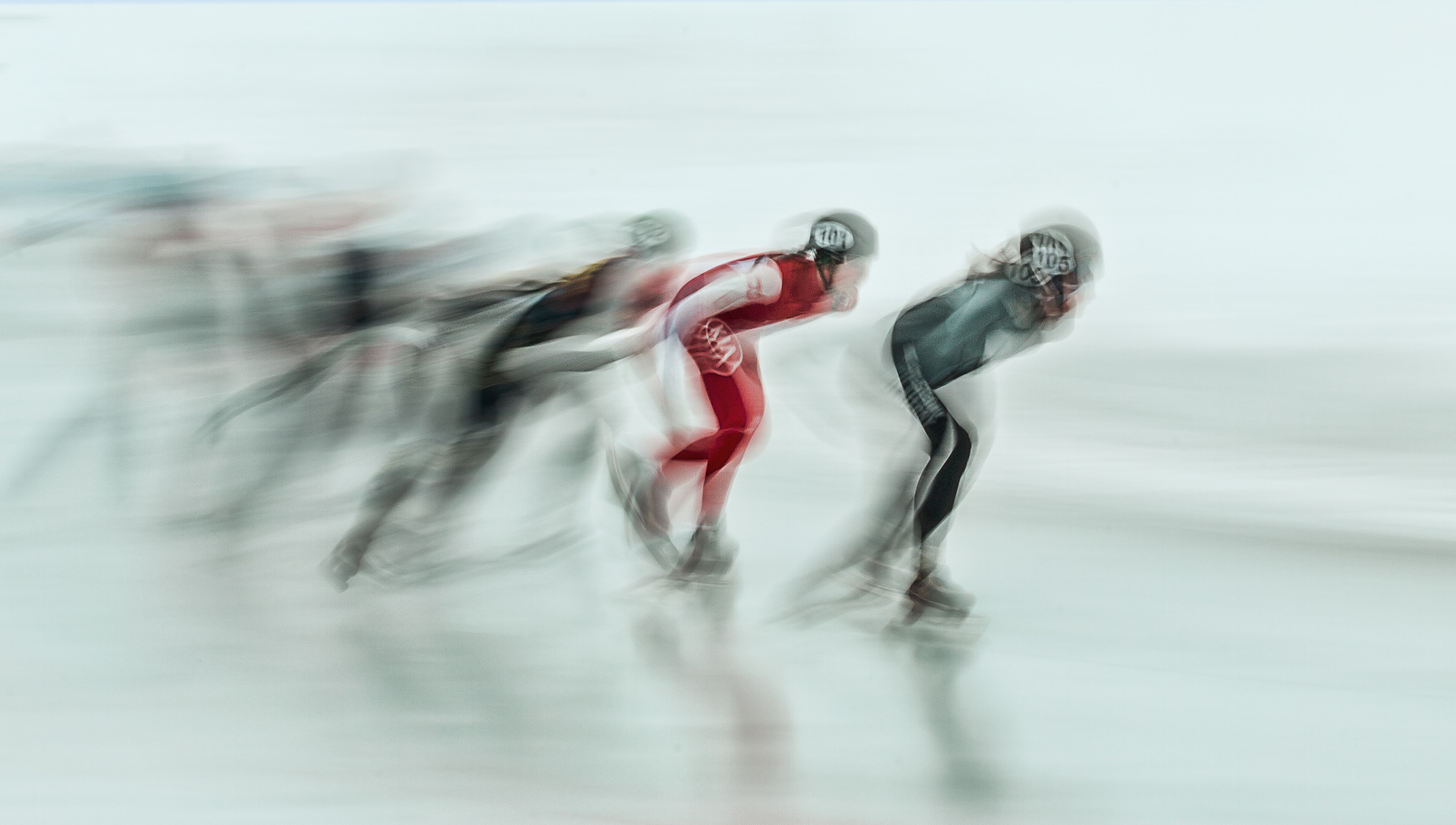
‘Speed skating’ by Dusan Ignac
COMPETITIVE DISCIPLINES
Ø 500 m
Ø 1,000 m
Ø 1,500 m
Ø 3,000 m
Ø 5,000 m
Ø 10,000 m (men only)
DOWNHILL SKIING
Downhill skiing is one of the most popular forms of competitive and amateur skiing worldwide. The first races took place in Norway in the mid-19th century.
The Alpine World Championships have been held regularly since 1931, the first of which was hosted by Mürren in Switzerland.
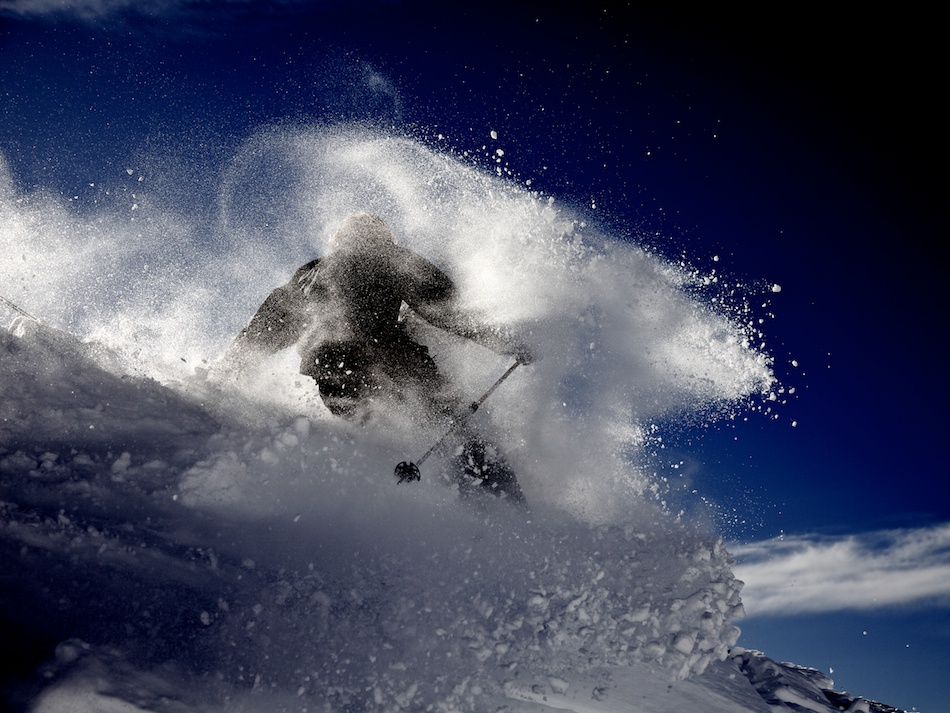
‘Frozen Powder’ by Tehben Dean
Downhill skiing was first introduced at the Winter Olympics in Garmisch-Partenkirchen, Germany, in 1936, when only the combined event — a downhill run followed by two slalom runs — was included in the programme. The elite Alpine World Cup series has been running since 1966.
SLALOM
Slalom is a technical discipline that mainly tests competitors' technical skills and their ability to react quickly to changes in direction. It usually takes place over two rounds. The competitor with the fastest total time from both rounds wins.
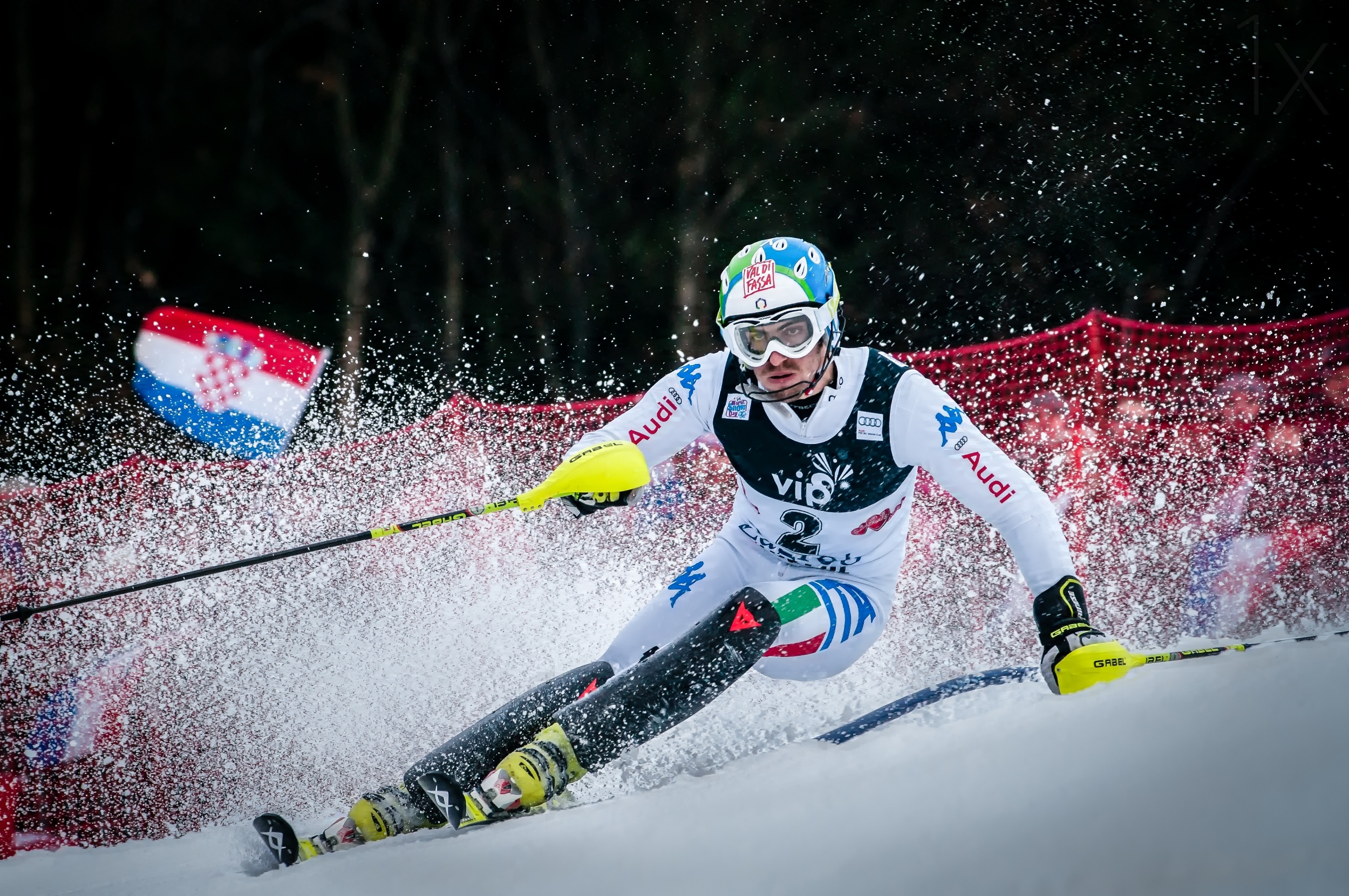
‘Stefano Gross on Snow Queen Trophy-Zagreb’ by Roman Martin
GIANT SLALOM
Giant slalom is also a technical downhill skiing discipline. Due to the radius of the arcs, the carving technique has been most extensively developed in giant slalom, which is performed using skis that are longer and have a larger cut. The race takes place over two rounds, with the total time from both rounds determining the result.
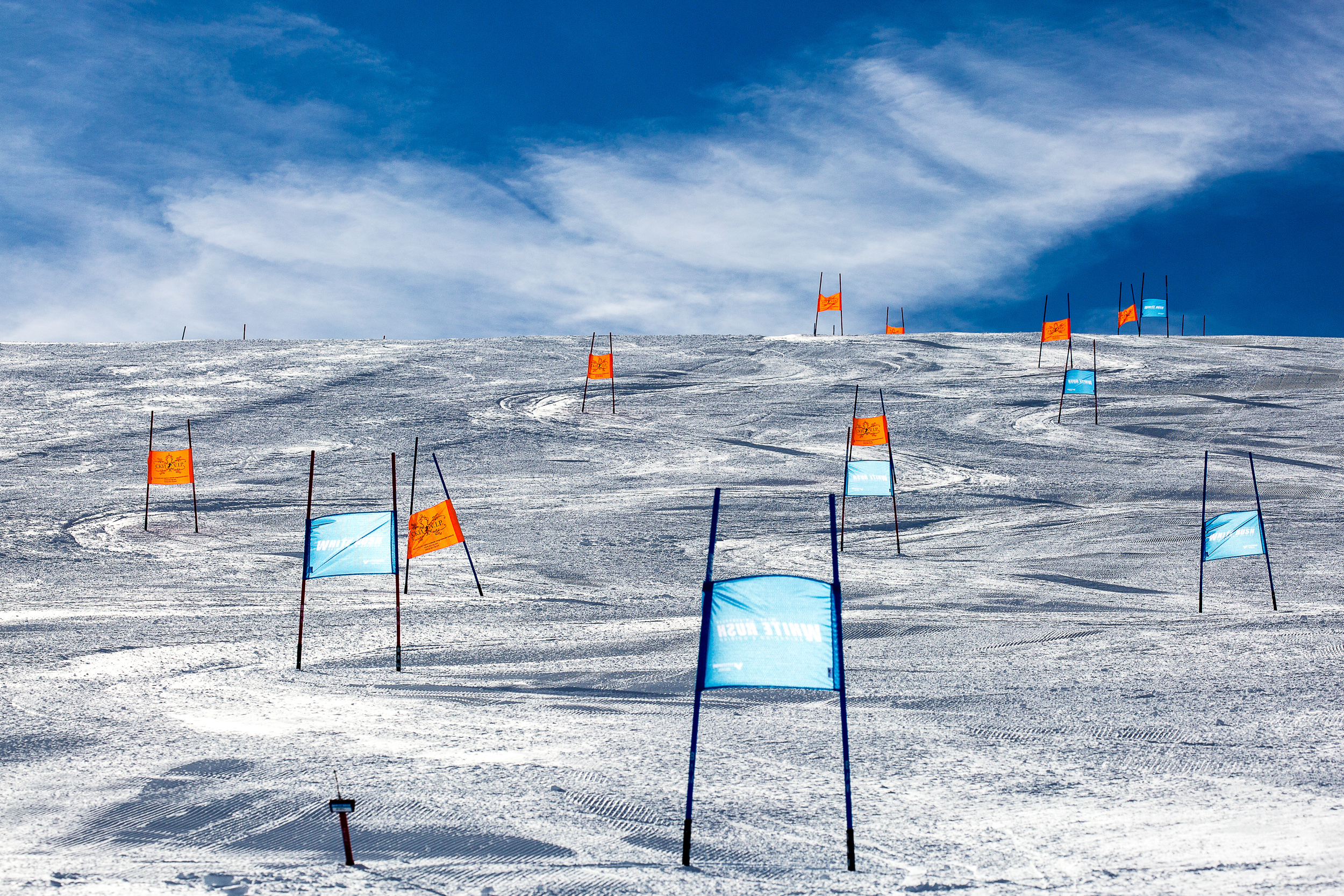
‘Waiting for the warriors’ by Cembrzynski Ignacy
SUPER GIANT SLALOM (Super-G)
The super giant slalom is the newest downhill skiing discipline, focusing on mastering techniques at high speeds. One-lap races are organised in a similar way to downhill competitions. The track features frequent changes in direction and alternating slopes.
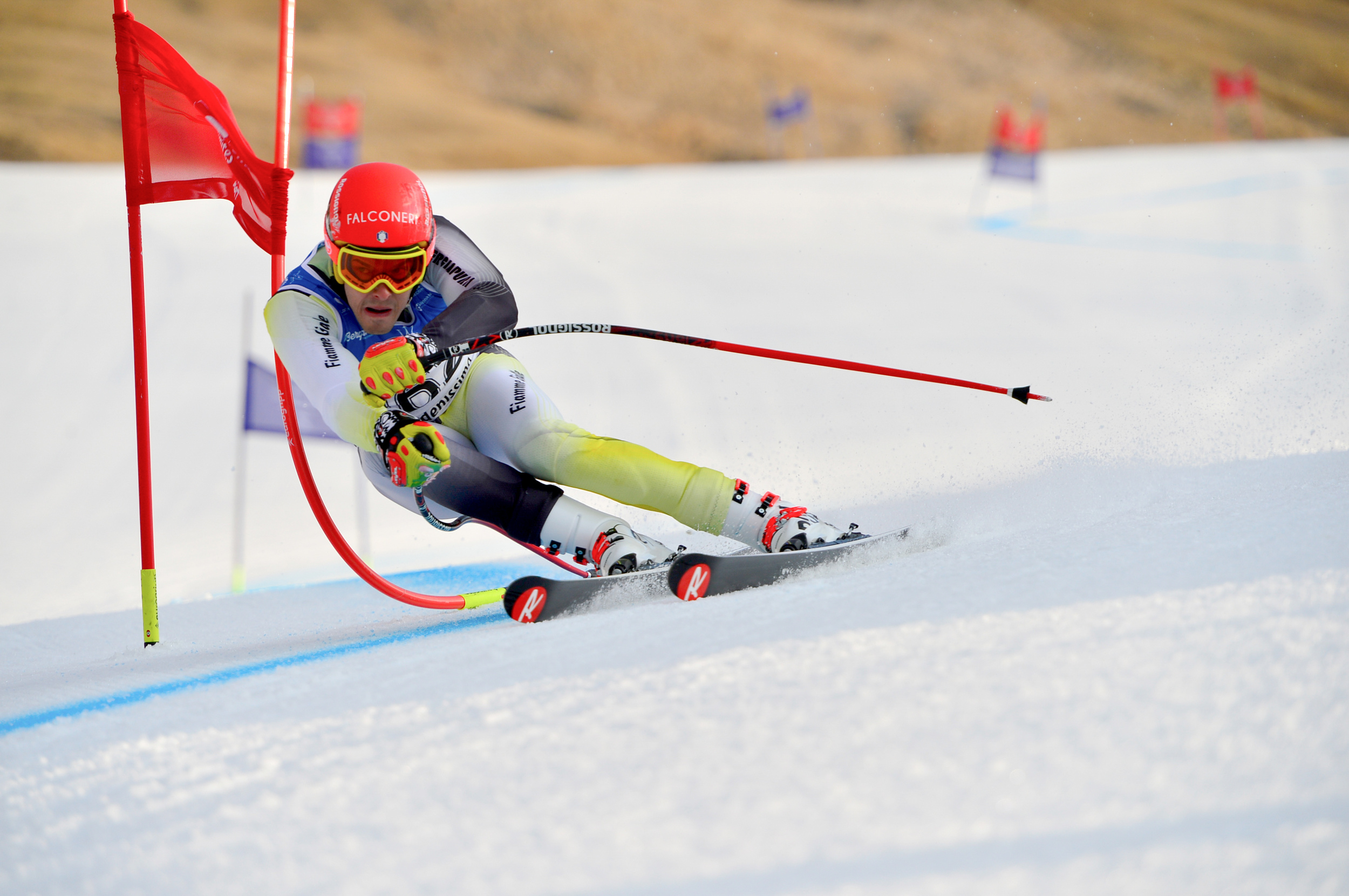
‘gardenissima 2017’ by Maurizio Senoner
DOWNHILL
Downhill is the fastest discipline and is also known as the 'royal' discipline of skiing. The race takes place in a single round. The track can be up to four kilometers long, with competitors reaching speeds of over 150 km/h in some sections. The track features jumps, compression hills, and direction changes.
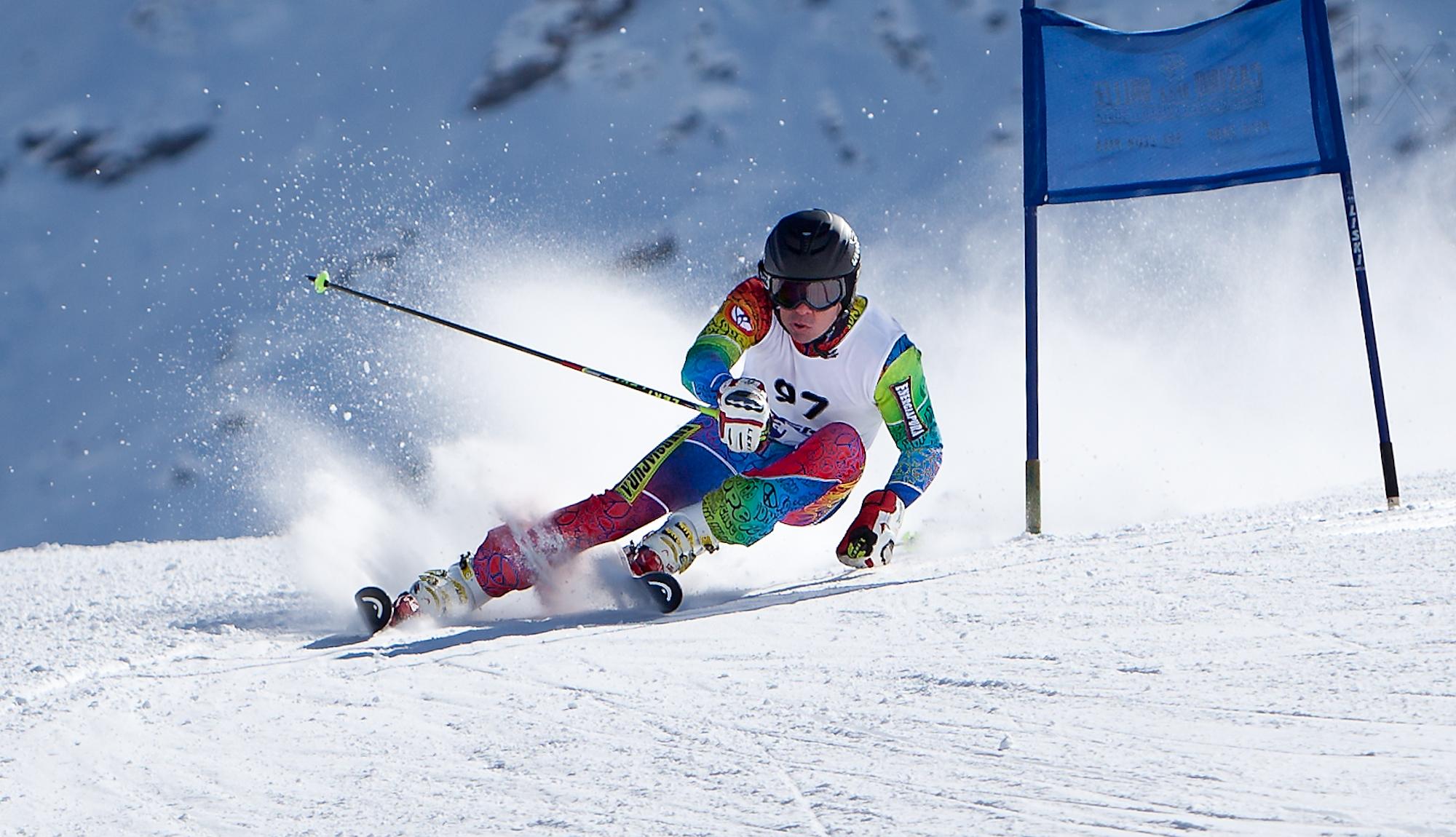
‘On the edges’ by Richard Spurdens
ALPINE COMBINATION
The alpine combination is a downhill skiing discipline that provides a comprehensive evaluation of a competitor's all-round preparedness. It involves combining one run from either the downhill or Super G with one run from the slalom, and the total is calculated based on this combination. This discipline requires the use of significant tactical approaches.
CROSS-COUNTRY SKIING
Cross-country skiing is a winter sport comprising various disciplines, ranging from sprints to long-distance races. Competitors race against each other over various distances, competing for speed and endurance.
Cross-country skiing has been practised since the late 19th century using classic and freestyle techniques. Popular events such as the FIS World Cup, as well as traditional races such as the 90 km Vasaloppet in Sweden and the 42 km Swiss Engadin Marathon, have made this sport very popular among winter sports enthusiasts.
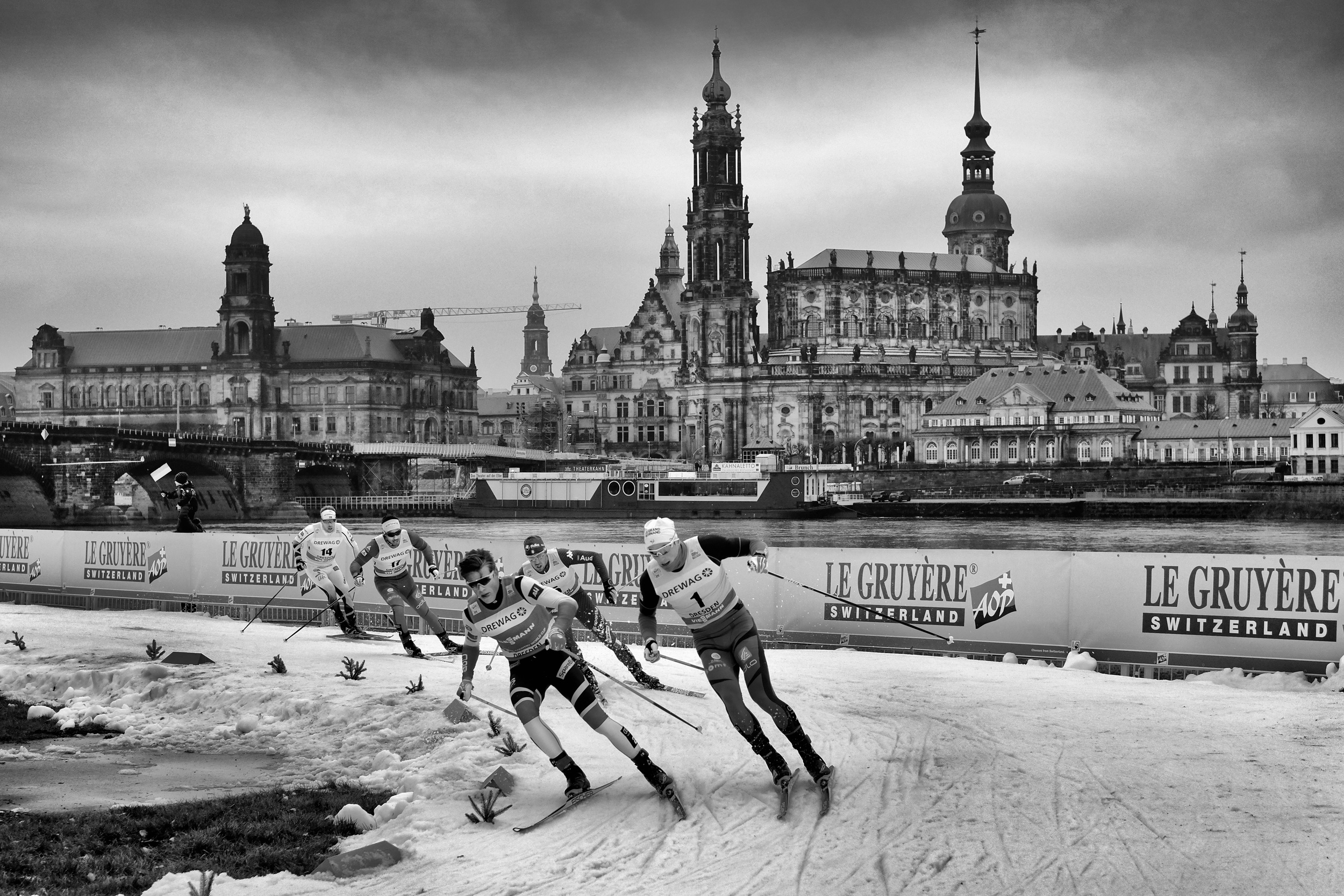
‘sprint world cup dresden’ by Holger Goehler
Depending on the course length, races are categorised as either sprints (usually up to 1.5 km) or endurance (over 5 km). The standard distances for endurance races are 15 km, 30 km and 50 km for men, and 10 km, 15 km and 30 km for women.
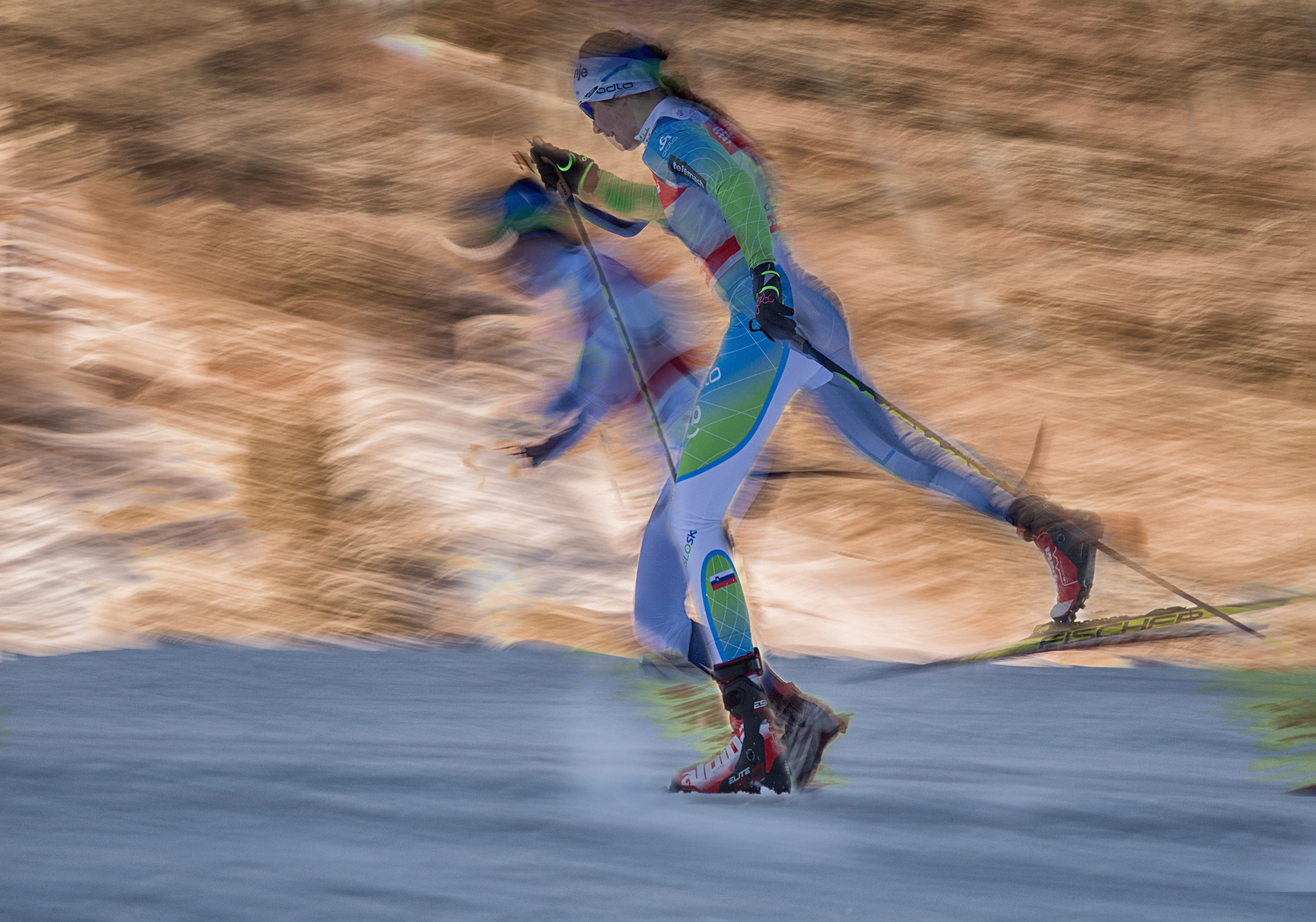
‘Elegance’ by Milan Malovrh
Events can be individual or relay competitions for men and women, in which different techniques are used. The races can have an interval start, where participants start at different times, or a mass start, where all participants start at the same time. In certain pursuit races, participants start at time intervals based on previous race results.
A total of 12 cross-country skiing competitions will take place at the Milano Cortina 2026 Winter Olympics. For the first time ever, men and women will compete over the same distances.
Ø Women's 10km Intervall Start Free
Ø Man’s 10km Intervall Start Free
Ø Women's 10km + 10km Skiathlon
Ø Men’s 10km + 10km Skiathlon
Ø Women's 4 x 7.5km Relay
Ø Men's 4 x 7.5km Relay
Ø Women's 50km Mass Start Classic
Ø Men's 50km Mass Start Classic
Ø Women's Sprint Classic
Ø Men's Sprint Classic
Ø Women's Team Sprint Free
Ø Men's Team Sprint Free
FREE STYLE SKIING
Freestyle skiing is a relatively new sport, with its origins dating back to the early 20th century and significant development occurring in the second half of the century. Despite being a new sport, it has developed considerably and gained popularity.
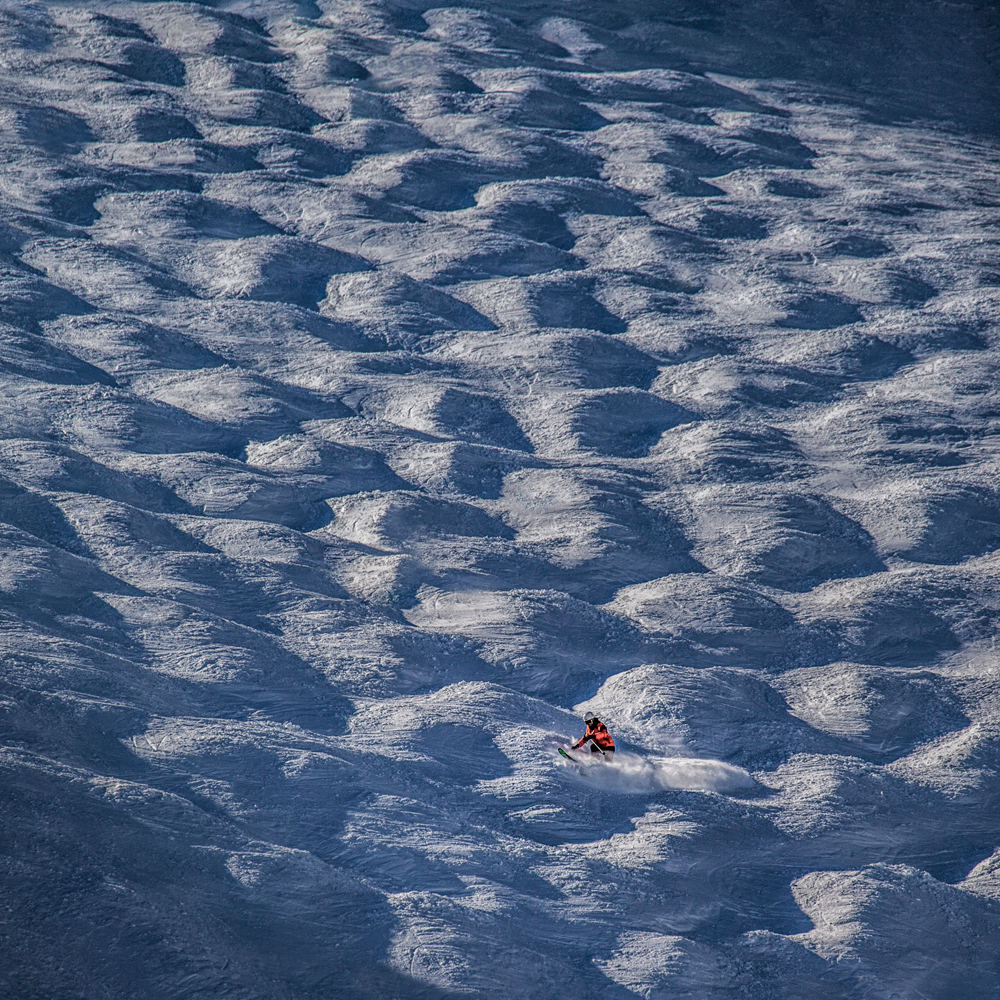
‘Snow waves skiing’ by Peter Svoboda MQEP
It includes the following three basic disciplines:
Ø Acrobatic downhill (now known as mogul or bump riding)
Ø Acrobatic jumps (aerials)
Ø Ballet on skis.
Later, ski cross and freestyle events such as slopestyle, big air and U-ramp were added to the acrobatic downhill and jumps.
NORDIC COMBINED
Nordic combined is a winter sport in which participants compete in two events: ski jumping and cross-country skiing. The level of difficulty is similar to that of the decathlon in athletics.
The sport itself originated in Norway in the mid-19th century and quickly gained considerable popularity. It first appeared in the Winter Olympics programme at the inaugural Winter Games in Chamonix in 1924.
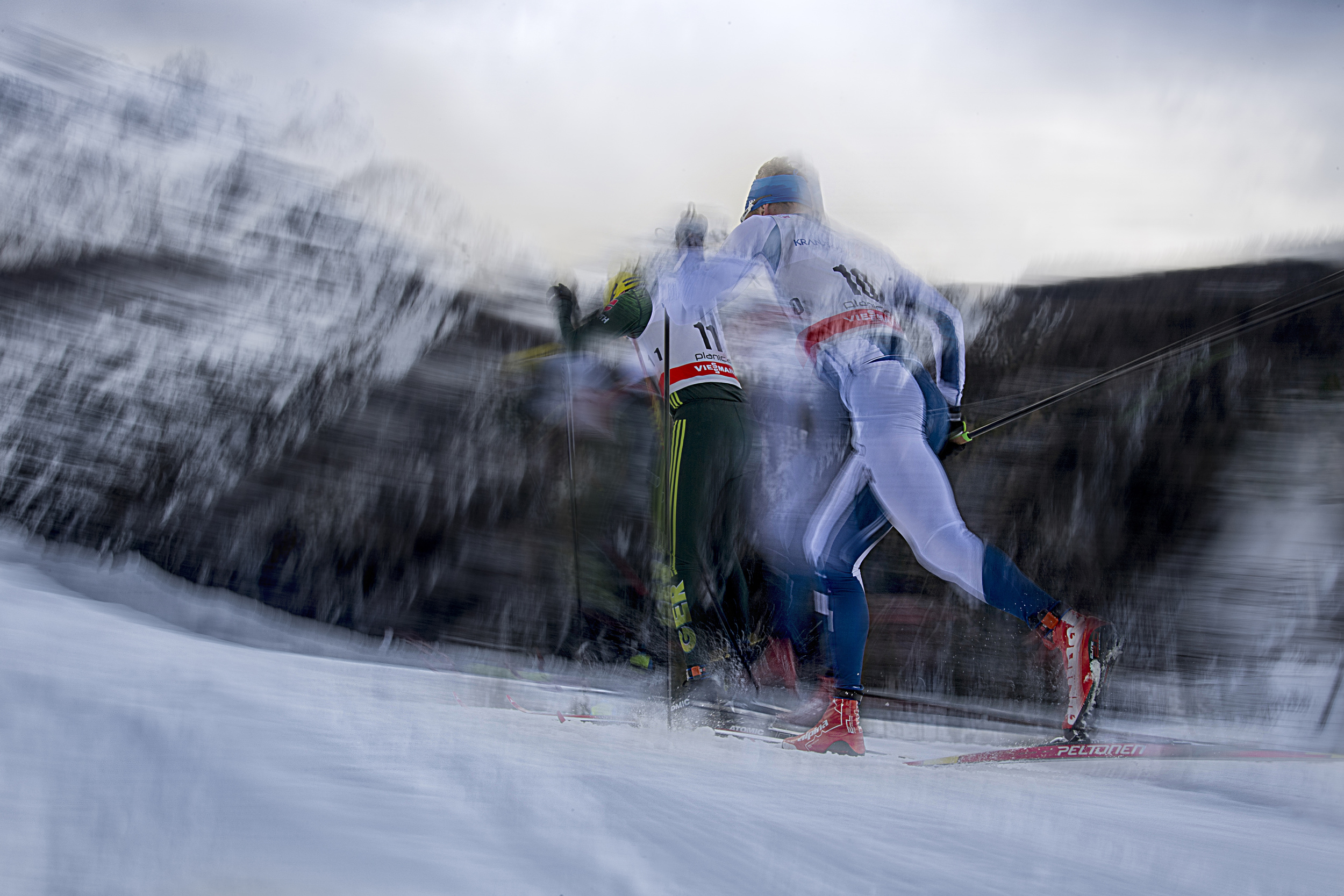
‘capture’ by Milan Malovrh
The Gundersen individual race is most often included in the World Cup program. It consists of one jump and 10 km of freestyle skiing. Another popular discipline is the sprint, which involves a jump followed by a 7.5 km run. A team race (four-person relay) is also held regularly, with the jump followed by a 4 x 5 km run.
Currently, women are excluded from the Nordic Combined Winter Olympics, making it the only Winter Olympic skiing sport without women's participation.
SKI JUMPING
Ski jumping is a discipline of ski jumping in which the aim is to achieve the greatest possible distance by achieving a high approach speed, taking off powerfully and maintaining an optimal flight position. Once they have left the jump, ski jumpers behave like horizontally thrown objects. However, the air cushion on which they 'float' also plays a decisive role.
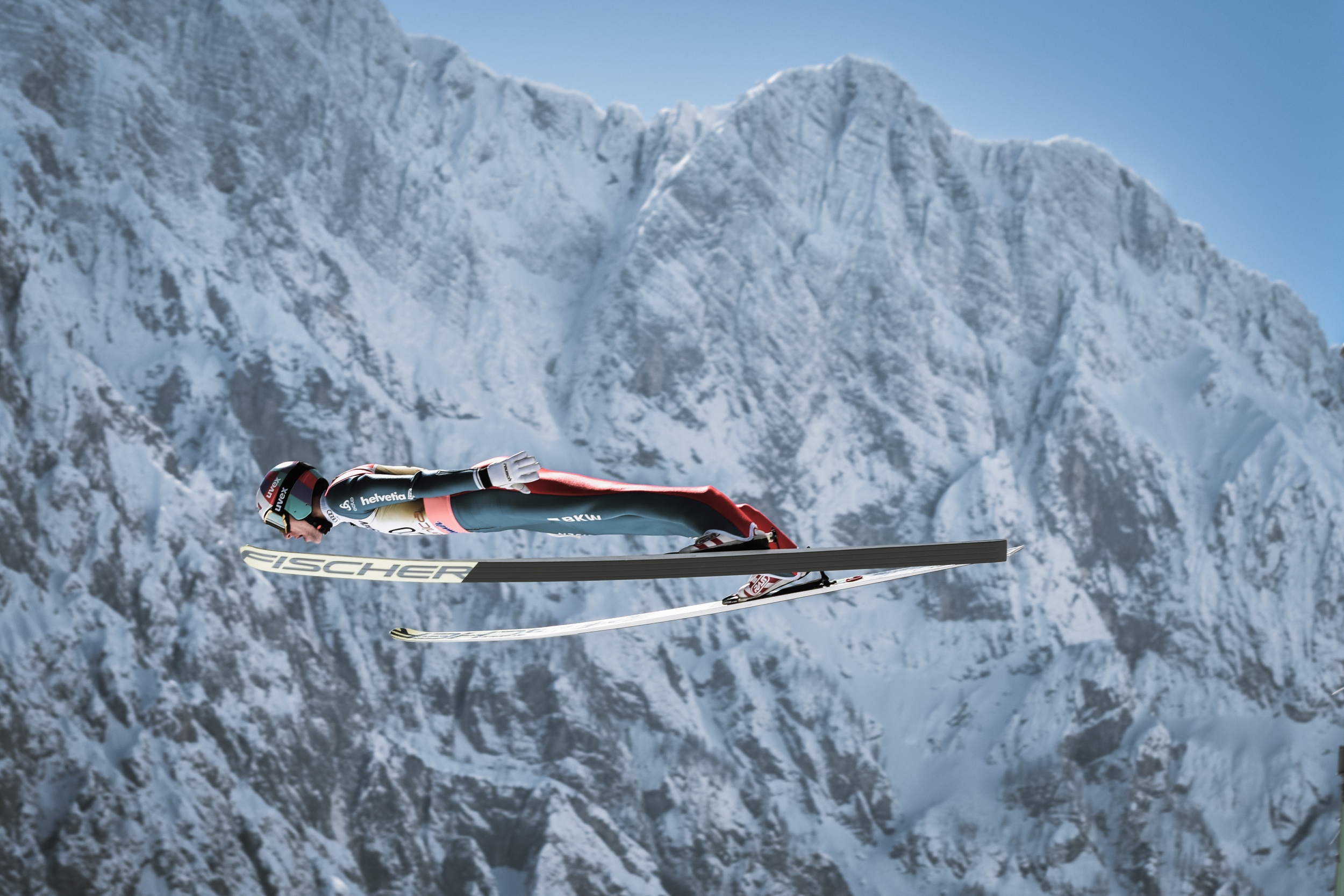
‘Ski jumping’ by Aljaž Pristov
Normal hills are designed for jumps of up to 90–110 meters. Large hills allow for greater distances of over 120 meters.
Certain facilities, known as ski flying hills, are specially constructed to accommodate jumps of over two hundred meters.
Ski jumping has been a core discipline of the Winter Olympics since the Chamonix Games in 1924. The program includes individual and team competitions on normal and large hills, with women's competitions having been included permanently since 2014 and a mixed team competition since 2022.
SNOWBOARDING
Snowboarding is a winter sport with roots in skiing, surfing and skateboarding. The primary activity is riding down any snow-covered surface while standing on a snowboard with your feet positioned roughly perpendicular to the board and its direction of travel. It is one of the world's most popular winter sports, particularly appreciated for its speed and the adrenaline it provides.
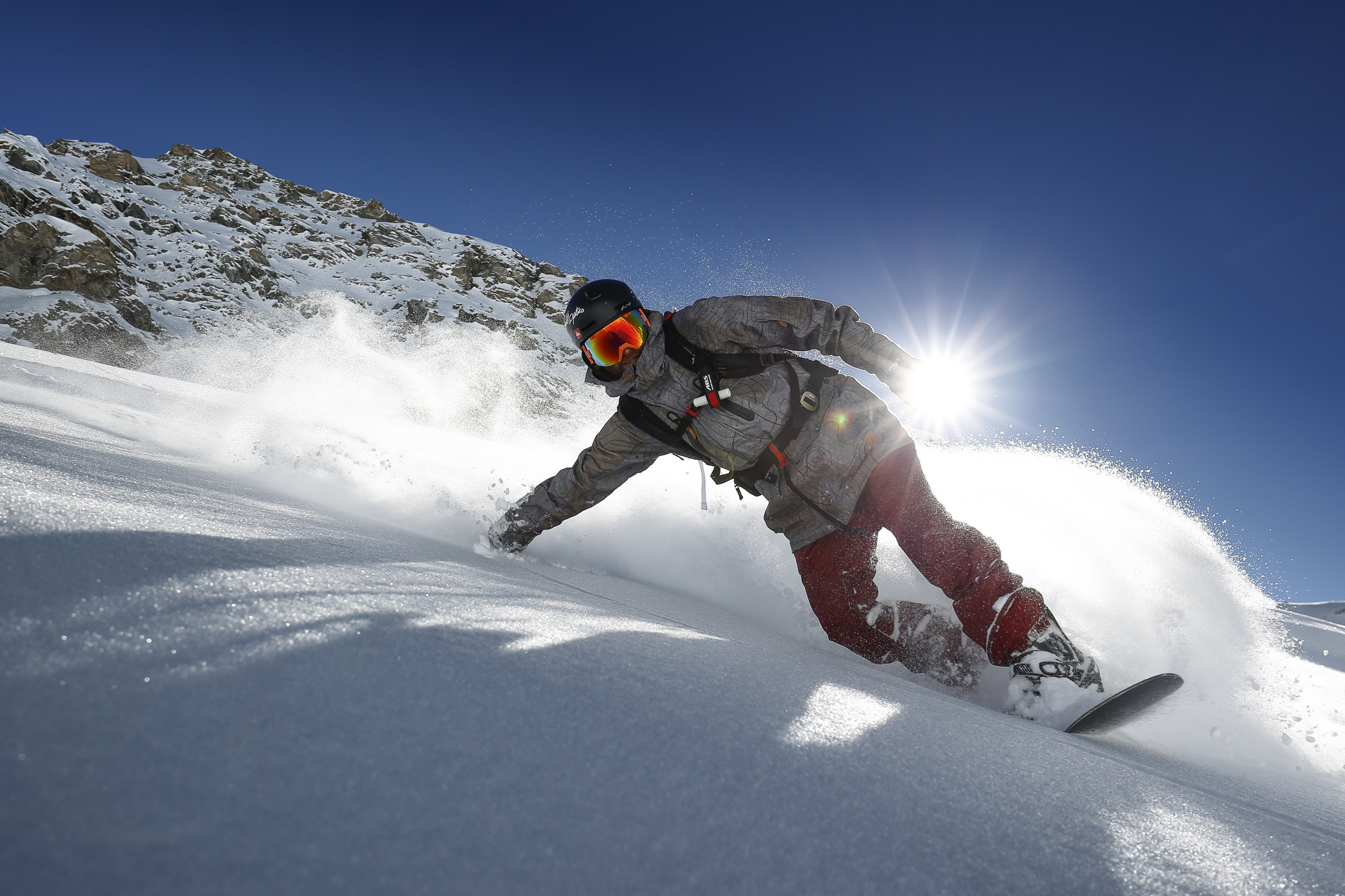
‘Aosta Valley’ by Jakob Sanne
It was first introduced at the 1998 Olympic Games in Nagano, Japan, with four events (two for men and two for women): the giant slalom and the downhill event, which are both types of alpine skiing; and the halfpipe event, in which competitors perform tricks while travelling from one side of a semicircular pipe to the other.
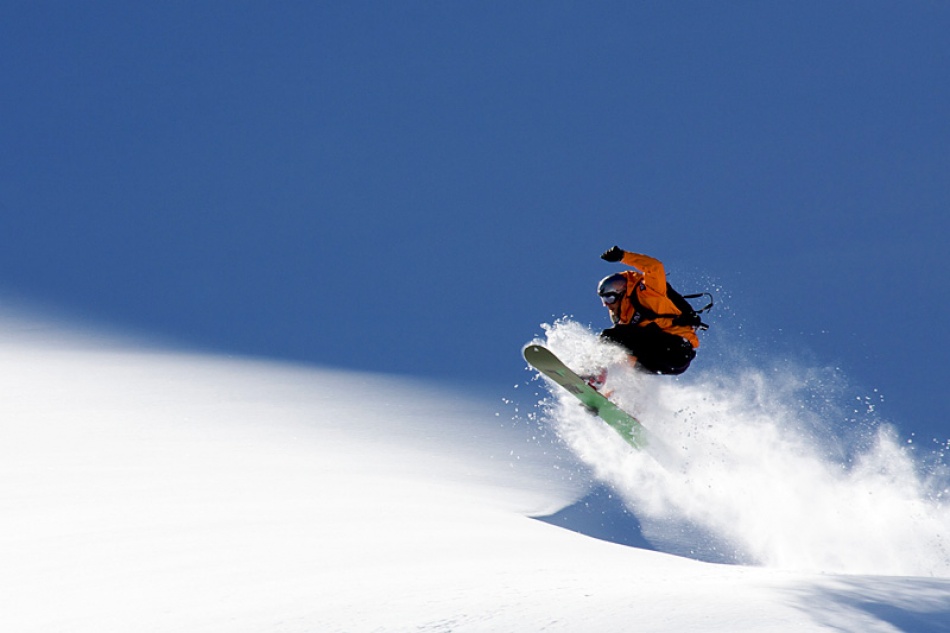
‘Snowboarder’ by Evgeny Vasenev
Snowboard competitions in 2026 Olympics will consist of the 11 following events:
Ø Women's Parallel Giant Slalom
Ø Men's Parallel Giant Slalom
Ø Women's Snowboard Cross
Ø Men's Snowboard Cross
Ø Mixed Team Snowboard Cross
Ø Women's Snowboard Halfpipe
Ø Men's Snowboard Halfpipe
Ø Women's Snowboard Slopestyle
SKI MOUNTAINEERING
Ski mountaineering is an exciting and demanding sport that allows participants to experience the thrill of adrenaline while connecting with nature and pristine landscapes. It is particularly popular in Italy, with deep historical and sporting roots in the Alpine regions.
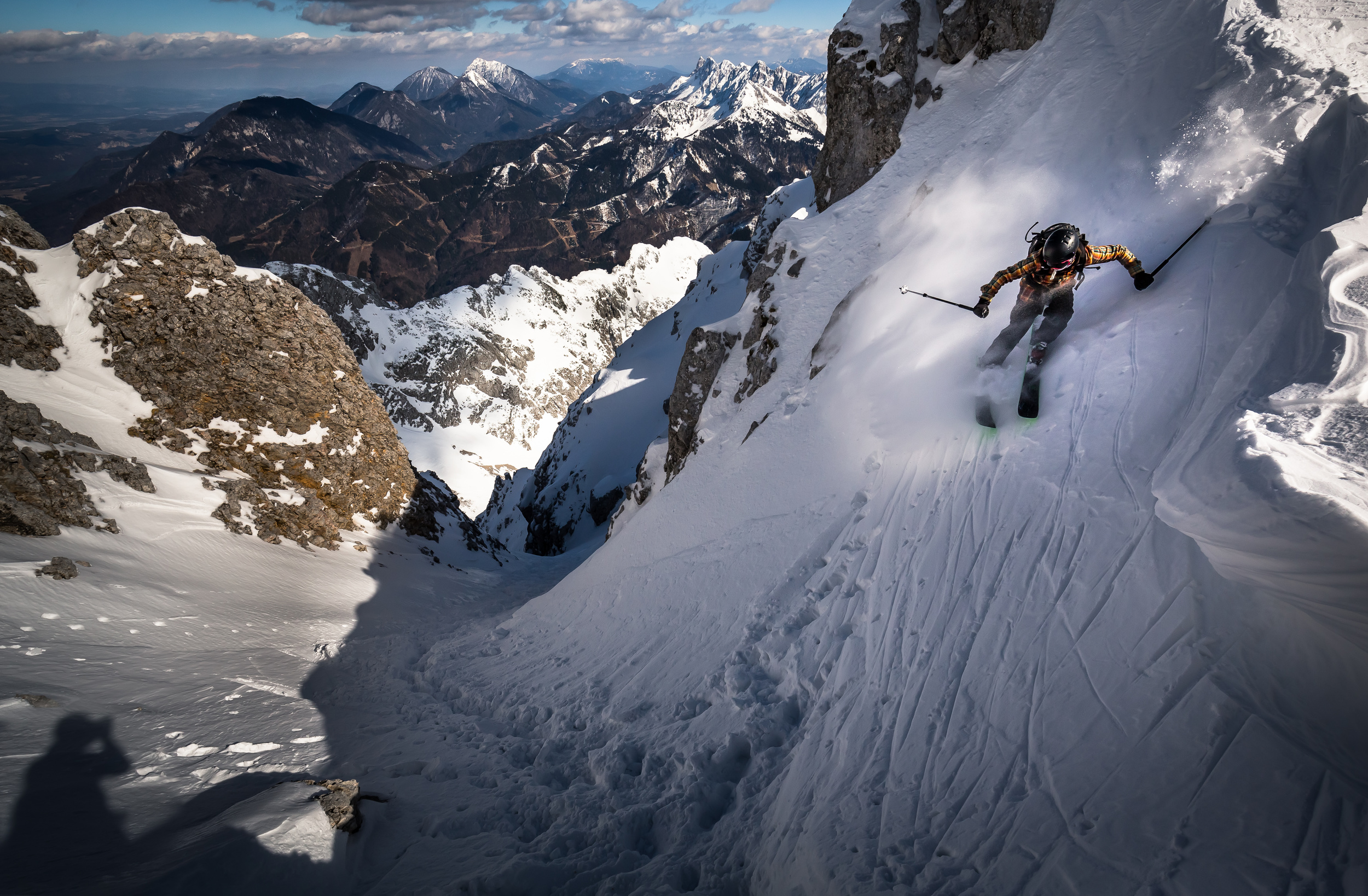
‘Drop into couloir’ by Sandi Bertoncelj
Judging by the number of international events taking place in numerous countries around the world, this sport has gained popularity worldwide in recent years. The first Ski Mountaineering World Championship took place in France in 2002. This international event is now organised every two years, alternating with the Continental Championships.
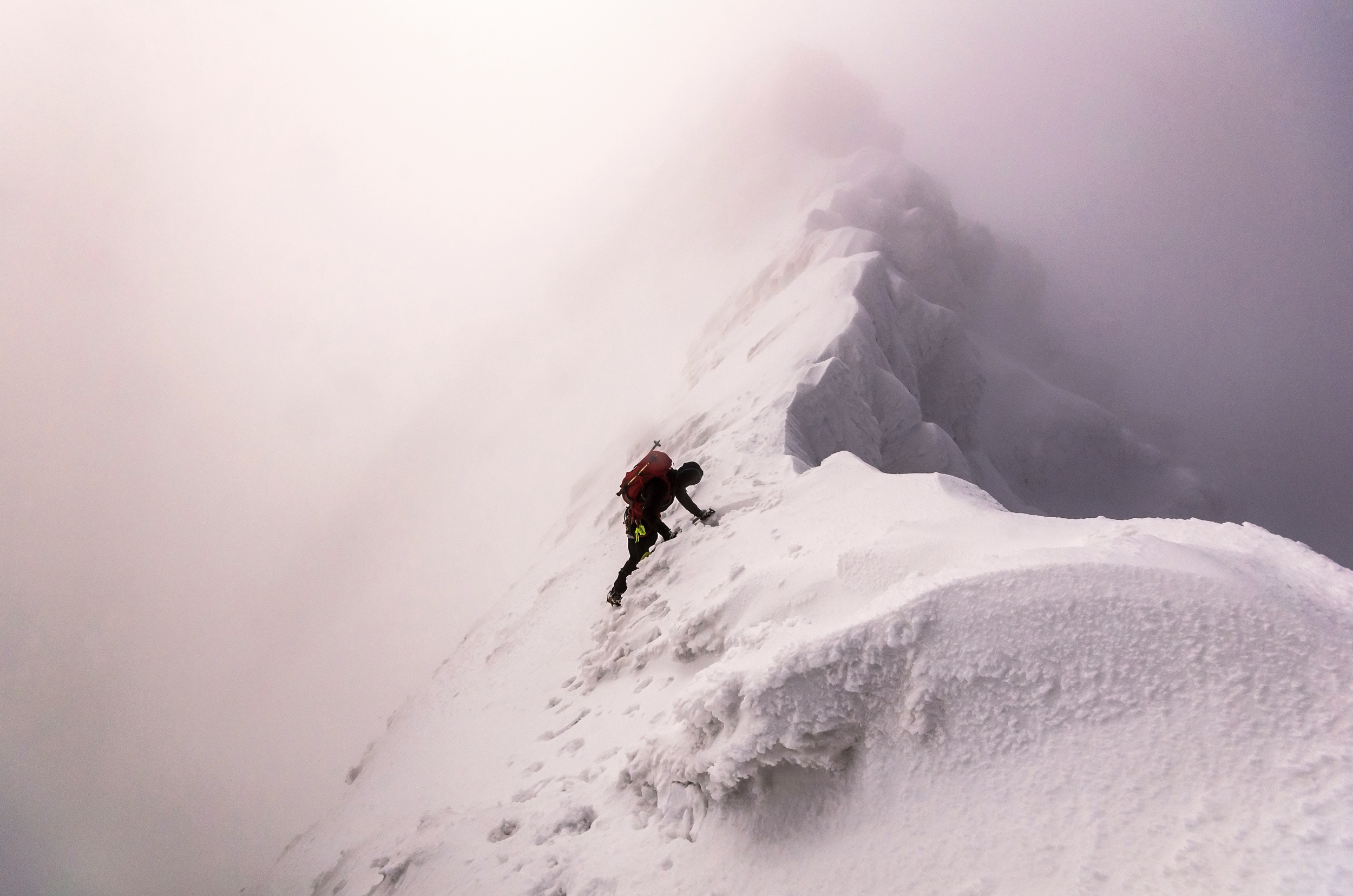
‘White darkness’ by Marian Krivosik
Ski mountaineering will make its Olympic debut at the Milano Cortina 2026 Games, with the following three events featuring in the competition programme:
Ø Women's Sprint
Ø Men's Sprint
Ø Mixed Relay
And that brings us to the end of our five-part series on Olympic and non-Olympic sports.
The next Winter Olympics are just around the corner. If you're lucky enough to attend one or more of the events in Milan or Cortina, don't forget to bring your camera, take some photos and share the best ones on 1x.
The 1x community will thank you for it.
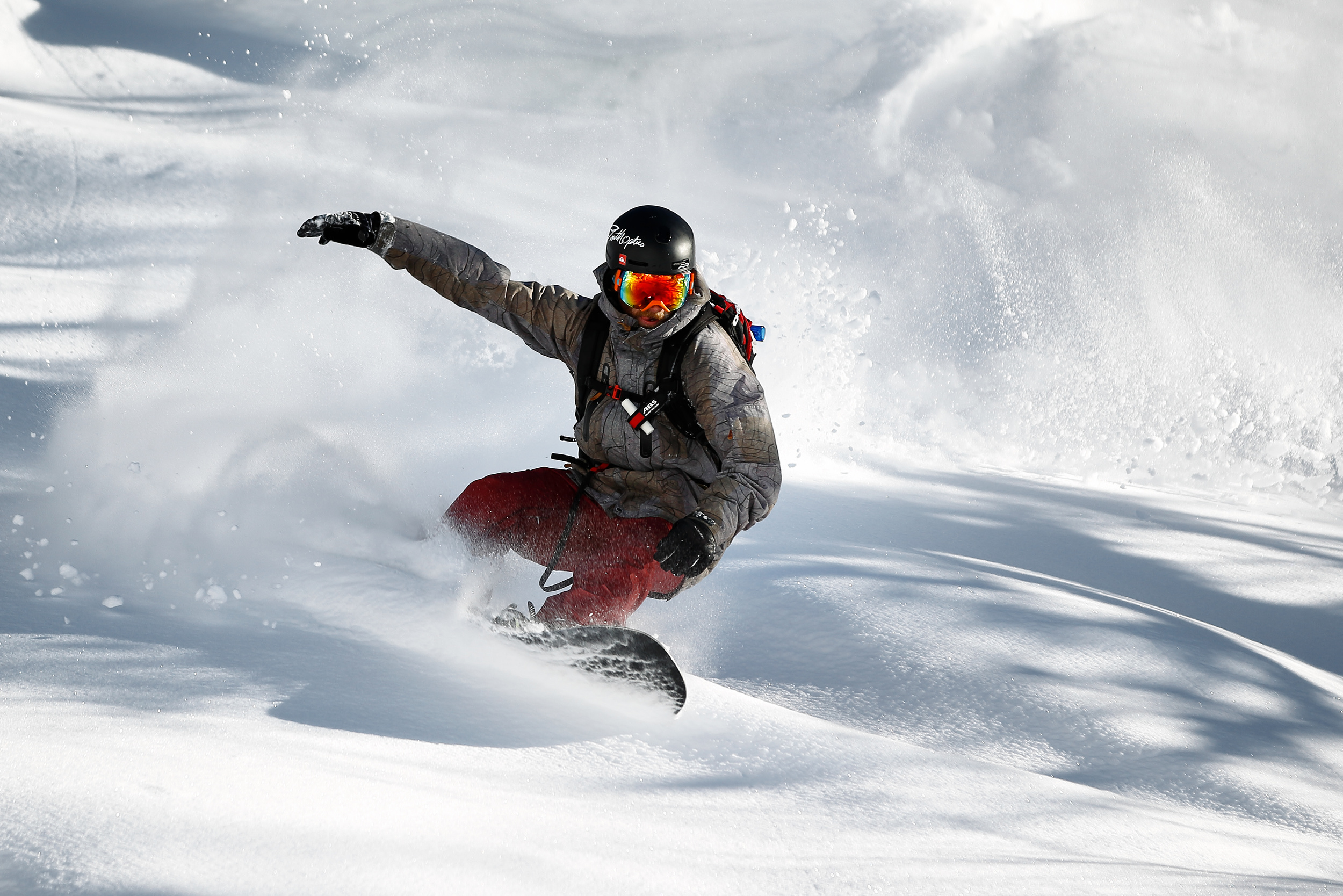
‘Frozen Moment’ by Jakob Sanne
 | Write |
 | Enzo Luigi D’Arcangeli PRO Devo dire che fa un certo effetto veder pubblicate immagini “Fotografiche” tra parentesi molto belle e ben rappresentate dall’articolo. Complimenti |
 | Miro Susta CREW Grazie mille per le belle parole di elogio, caro Enzo |
 | Norbert Maier PRO Wow!!! |
| Miro Susta CREW Thanks. |
 | Linda Lu PRO Amazing images with a great article! |
| Miro Susta CREW Thank you Linda. |
 | Wanghan Li PRO Excellent writing with the wonderful works selected carefully! Beautiful, enjoyable and inspiring! Thanks a for sharing! Congratulations! |
| Miro Susta CREW Thank you very much for wonderful comment to our work dear Wanghan. |
 | Andreas Agazzi PRO A wonderful collection of the world of sport. Great selection, amazing photographs. Congratulations to the photographers, thanks to the editors! |
| Miro Susta CREW You are most welcome Andreas, many thanks in name of all authors, participant's. |
 | Jane Lyons CREW Miro, thanks for this great article and photographs in anticipation of the Olympics. It is so well done. Thanks Yvette! |
 | Yvette Depaepe CREW Thanks Jane ;-) |
| Miro Susta CREW Many thanks for your wonderful words of praise dear Jane |
 | Eiji Yamamoto PRO Dear Miro, thank you so much for the wonderful article with great photos! I have been looking forward to reading more from the previous magazines. Dear Yvette, thank you so much as always! |
| Miro Susta CREW Many thanks for lovely words of praise dear Eiji, we are glad to see that you like it. |
| Yvette Depaepe CREW Thanks for your appreciation, Eiji ;-) |
 | Eduardo Blanco García PRO Excellent |
| Miro Susta CREW Many thanks Eduardo |